

Add Row
Add Element
update
High Desert Thrive News
update
Add Element
  • Home
  • Categories
    • Local News
    • High Desert Lifestyle
    • Home Services
    • Restaurants
    • Adventure Trails
    • Wildlife Wonders
    • Climate Insights
    • Health
  • Featured
August 07.2025
3 Minutes Read

Why Is Vanderbilt Avenue Facing a Restaurant Crisis? Exploring the Cursed Narrative

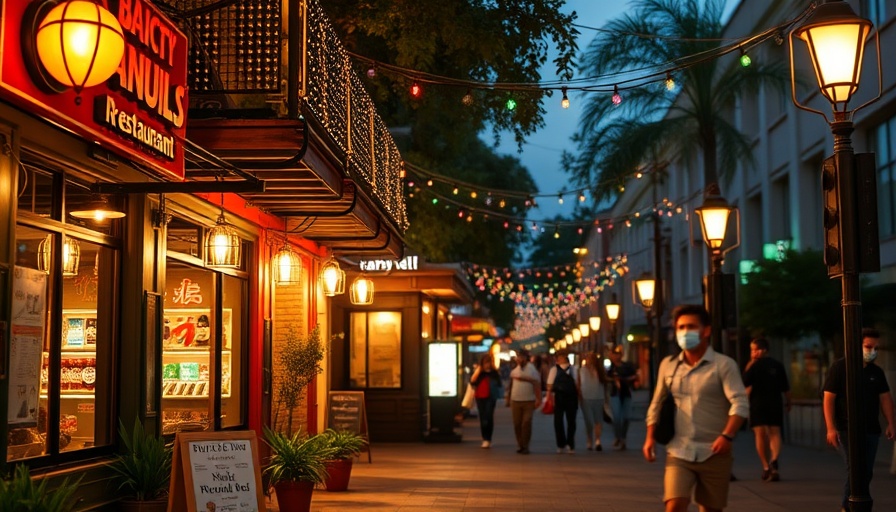
Vanderbilt Avenue restaurants with outdoor evening dining.

Vanderbilt Avenue's Restaurant Woes: Understanding the Enigma

Vanderbilt Avenue in Brooklyn has recently gained notoriety as one of the hardest places for restaurants to flourish, earning it the dubious title of a "cursed" street. This sentiment is echoed by local chefs and restaurateurs like Greg Baxtrom, whose beloved eatery Olmsted is closing its doors after nearly a decade of business. The announcement comes amidst a growing trend of closures in the area, sparking questions about the neighborhood's viability as a dining destination.

Turnover and Transition: A New Era for Brooklyn Dining

As Vanderbilt Avenue developed into a popular restaurant row, it seemed like a dream location for ambitious chefs hoping to attract local diners and visitors alike. Yet, over the last couple of years, the charm of the area has been overshadowed by a wave of changes and challenges. Baxtrom describes the struggle of restaurants becoming viewed as special occasion spots rather than neighborhood favorites. Such a shift impacts foot traffic and revenue, ultimately contributing to the cycle of closures.

Underground Evolution: What Makes This Avenue Different?

One of the pressing questions that locals and business owners are asking is why Vanderbilt Avenue continues to struggle compared to nearby commercial strips like Fort Greene and DeKalb Avenue. Baxtrom pointed out that both places seem to have a consistent flow of thriving restaurants, highlighting a perplexing disconnect for the community. Despite the development efforts that have been anticipated since the 2003 Pacific Park proposal, the expected influx of patrons has not materialized, leaving business owners scratching their heads.

Community Dynamics: The Shift in Clientele

As the neighborhood evolves, shifting demographics have played a crucial role in the closing of many restaurants. Joe Campanale, co-owner of LaLou, notes that the community has transformed into a more family-oriented space, which influences dining preferences. Families may prioritize kid-friendly venues over elevated dining experiences, leaving some establishments struggling to adapt.

Hope for the Future: Resilience in the Face of Challenges

Despite the recent wave of bad luck, many owners on Vanderbilt Avenue hold onto a glimmer of hope. Neighborhood transitions often mean that while some businesses may shutter, others will rise to meet the changing needs of the community. The resilience and creativity of Brooklyn’s restaurateurs suggest that Vanderbilt Avenue is far from finished. As Campanale states, while the past may be rocky, the future could hold new and exciting opportunities.

Connecting with Community: The Heart and Soul of Restaurants

As these closures make headlines, they serve as a reminder of the deep connection that local restaurants have with their neighborhoods. Owners like Baxtrom and Campanale share stories of their efforts to build community through food, celebrating gatherings and shared experiences. Even if things are tough right now, these passionate individuals believe in the importance of cultivating not just a business, but a welcoming space for their neighbors.

The challenges faced on Vanderbilt Avenue are emblematic of a larger story about community resilience and the human spirit. As the street continues to evolve, it begs the question: How can we support our local businesses better? If you love your local eateries and want to see them thrive, consider showing up, ordering takeout, or participating in community events that promote these invaluable spaces.

Restaurants

75 Views

0 Comments

Write A Comment

*
*
Related Posts All Posts
01.17.2026

How Max Tani's Culinary Adventures Influence His Journalism

Update Max Tani: Balancing Life and Work Through FoodIn the bustling melting pot of New York City, few blend the social and professional world as seamlessly as Max Tani, the media editor at Semafor. His journey through various restaurants and bars is not just about culinary exploration; it’s an essential part of his reporting strategy. Tani’s eating habits reflect a blend of work lunches, breakfast meetings, and that cherished tradition of lavish dinners endemic to the media landscape.Savoring Moments: Dining at Wild CherryRecently, Tani found himself at Wild Cherry, a trendy eatery where he bumped into none other than Hollywood star Bradley Cooper. Experiences like these highlight the unpredictable coupling of his social life with the demands of journalism. As he quipped, "Half of the time, it’s kind of like, Is this work? Are we just hanging out?" This brings to light how the lines between personal and professional pursuits blur in the world of media.Strategies for a Busy Life: Eating and ReportingOn a Wednesday illustrated in his recent writings, Tani navigated a hectic schedule filled with back-to-back meetings and events. Starting his day with a home-brewed coffee from his elite pour-over station—a transition from quick office brews to a more leisurely, meaningful morning ritual—he showcases the importance of finding small comforts amid a frantic lifestyle. Tani’s preference to seek lunch outside the office—despite the time constraints—further speaks to his commitment to experiencing life beyond just work-related obligations.The Joy of Community and Culinary ExperiencesInterspersed within Tani’s busy week are moments that reveal the rich tapestry of community that food creates. The excitement associated with dining at places like Commerce Inn or Le Chêne fosters connections, not just within his professional realm, but also within his personal life. As he and a fellow reporter dined over various exquisite dishes and drinks, it emphasized the inherent joy found in communal meals, especially as shared experiences stir camaraderie and foster relationships amidst professional interests.Navigating the Media LandscapeFor Tani, every meal and every conversation forms a part of a larger narrative. His role in reporting on media shakeups and transparency often leads him to engage with colleagues and figures from various sectors, making dining an almost instinctual part of his reporting process. As he recently noted, "I don’t believe in bringing lunch to work... it’s important to leave and walk to get lunch in New York, even if it’s just for a minute." This mantra, rooted in both productivity and mental well-being, underscores how crucial it is to step outside of one’s immediate environment.Conclusion: Living the Life of a Journalist Through GastronomyIn closing, Max Tani’s food journey is not just about nourishing the body; it’s about feeding the mind, fostering connections, and creating a bridge between professional obligations and personal interests. As he continues to navigate his way through the vibrant world of New York’s dining scene, he exemplifies how the stories we tell and the meals we share are inseparable aspects of life as a modern journalist.

01.16.2026

Mixue Brings Unbeatable Deals to NYC: The New Ice Cream and Tea Sensation

Update A Taste of Affordability: Mixue's Arrival in NYC This past Christmas, snowflakes weren’t the only things falling in New York City; the world’s largest restaurant chain, Mixue (pronounced Me-shway), made its grand entrance with a celebration fit for the season. The launch was a spectacle, featuring a parade of cape-clad snowmen, Mixue’s iconic mascot, marching their way through Times Square and Korean Town to herald the arrival of two new locations. With over 50,000 establishments globally, Mixue aims to bring its unique blend of affordable ice cream and tea to the bustling streets of NYC. What Makes Mixue Unique? New Yorkers are wirelessly connected to the latest trends, and fast-food spots play a massive role in that scene. Mixue offers an enticing menu packed with soft-serve ice cream, milk teas, and fruit teas—all at prices that are hard to ignore, such as $1.19 for soft serve and $2 for lemonade. The appeal of its budget-friendly model was on display as people lined up at Mixue’s Hell’s Kitchen location, waiting patiently despite the winter chill. Lines and Lamentations: Mixed Reviews Not everyone was thrilled with the experience at Mixue. While some, like a group of four young women visiting from New Hampshire, expressed their excitement over the offerings, others voiced disappointment over sold-out flavors. “I wouldn’t even go here in Asia,” one local lamented, underscoring the consumer's appetite for top-quality options rather than just low prices. This sentiment raises the question: can affordability alone compete with the gourmet offerings already saturating the NYC beverage scene, such as Ube milk or cheese foam? The Buzz Around Town: Is It Worth the Hype? Locations across the bustling city are already seeing lines form, especially at the Herald Square flagship, which is strategically placed near other popular drink establishments. After standing in line for nearly 20 minutes, customers are offered choices ranging from strawberry-jasmine tea to soft serve cones. Feedback appears to vary widely; while some relish their treats, others remain skeptical of the quality. Future Trends in Fast Food: The NYC Experiment The arrival of Mixue signals a potential shift in NYC’s fast-food dynamic. In a city where gourmet and niche offerings frequently dominate, will Mixue’s broad appeal tap into an underexplored market? The representatives assert that prices in China have remained stable for a decade, aiming to bring a slice of that philosophy to the bustling streets of America. As Mixue embeds itself into New York’s culinary landscape, the fusion of affordability and trending flavors presents a fascinating perspective. Only time will tell if the city will embrace this new player or if favorites will dominate the market and leave Mixue wondering what went wrong. Join the Mixue Movement! If you're a food lover or someone looking to experience the newest trends without breaking the bank, Mixue is the place to be. Grab your friends, stand in line, and enjoy the sweet treats and vibrant atmosphere that this new chain has to offer!

01.13.2026

Why the Decline of Veganism Challenges Our Eating Habits Today

Update From Promising Future to Bitter Decline: The Rise and Fall of Veganism In the early years of the 21st century, veganism seemed poised to take the culinary world by storm. Once seen as a fringe lifestyle choice, plant-based eating began to gain traction, and with it, a burgeoning food scene filled with innovative vegan restaurants and products flooded the market. Yet now, just as swiftly as this movement gained momentum, many wonder what went wrong. As Isa Chandra Moskowitz, a prominent vegan chef, laments, the heyday of vegan eateries appears to have vanished. The Need for Community: Why Vegan Restaurants Are Struggling Moskowitz's experiences serve as a touchstone for many vegan establishments facing closure or dramatic shifts. Restaurants like Modern Love and Unity Diner, once celebrated hubs for the vegan community, have shuttered their doors, reflecting broader financial strains on small businesses. Factors like rising delivery app fees, increased competition from non-vegan options, and a post-pandemic shift in consumer behavior have left many dining spaces struggling. While interest in veganism remains steady—2 million Britons reportedly identify as vegan—recent trends suggest that the motivation for plant-based eating has become increasingly intertwined with environmental and health concerns rather than strict adherence to vegan philosophy. This change suggests that many consumers are looking to reduce meat intake rather than commit fully to a plant-exclusive lifestyle. The Changing Landscape of Dietary Preferences Amid rising costs of living and economic uncertainties, consumers have shifted their priorities away from niche vegan restaurants toward mixed-menu options presented by traditional establishments. In many urban areas, restaurants have adapted to include better plant-based offerings, catering to both vegan consumers and omnivores. Moskowitz reflects this trend, illustrating that as some restaurants fold, others evolve by merging meat with plant-based choices, demonstrating an often-win-win for restaurants that want to appeal to a broader range of diners without alienating their base. Lessons from the Industry: Why the Decline of Veganism Might Not Be the End The closures of notable vegan spots like Glasgow's Glasvegan and London’s Unity Diner echo a sentiment heard across the gastronomic landscape; nostalgia for those beloved spaces is profound. Dining goes beyond food—these establishments represent a sense of belonging and community for many. As former customers mourn the loss of these spaces, it becomes clear that a deep connection exists between such restaurants and their patrons. Customers don’t view these establishments merely as places to eat but as integral parts of their identities. Rebuilding the Vegan Narrative Despite the closures, non-vegan restaurants catering to plant-based lifestyles underscore how veganism has indeed reshaped the culinary landscape, albeit invisibly. Chefs like Moskowitz insist that there is still a place for creative, heartfelt vegan dishes that embrace a spirit of inclusion for all diners, regardless of dietary preferences. Innovation remains alive in the sector, and many thriving establishments focus on unique offerings infused with vegetables—demonstrating that a fleeting moment does not define the entirety of a movement. Today, it is evident that the core of successful vegan dining lies not solely in the avoidance of animal products but in the ability to weave those products creatively into a vibrant narrative of community and culinary excellence. Looking ahead, as the food landscape continues to evolve, the resurgence of interest in wholesome, plant-centric options might just pave the way for a new era of veganism—one that balances sustainability, community, and gastronomical delight.

Terms of Service

Privacy Policy

Core Modal Title

Sorry, no results found

You Might Find These Articles Interesting

T
Please Check Your Email
We Will Be Following Up Shortly
*
*
*