

Add Row
Add Element
update
High Desert Thrive News
update
Add Element
  • Home
  • Categories
    • Local News
    • High Desert Lifestyle
    • Home Services
    • Restaurants
    • Adventure Trails
    • Wildlife Wonders
    • Climate Insights
    • Health
  • Featured
July 22.2025
2 Minutes Read

Exploring the Unusual Climate: How Coastal Coolness Contrasts With Inland Heat

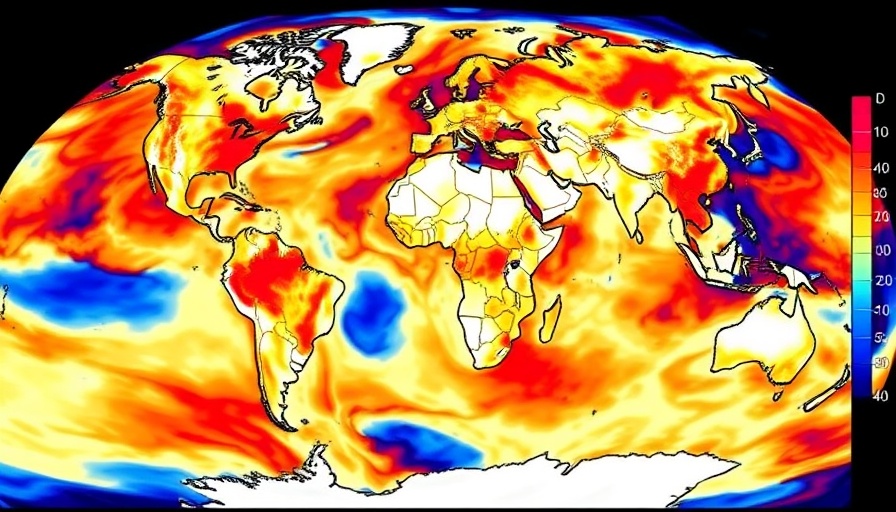
Weather map illustrating coastal coolness vs inland heat in California.

Understanding the Climate Conundrum: Cool Coastal Summer vs. Anomalous Inland Heat

Amidst the typical seasonal patterns of California, an unexpected climatic scenario has surfaced this summer as coastal areas experience an unusually cool season contrasted by scorching temperatures inland. This phenomenon raises significant questions regarding the impact of regional climate variations and broader climate change trends.

What’s Behind the Cool Coastal Summer?

From May through mid-July, Northern and Central California’s coastal regions—including cities like San Francisco and Monterey—have reported some of the coolest conditions in decades, with persistent marine layers, overcast skies, and strong winds setting the tone for a season that, for many locals, is characterized by an enduring chill. These weather trends, which have seen June temperatures hit lows reminiscent of the early 20th century, demonstrate the complexities of climate change, particularly in a state known for its temperate summers.

Heat Waves Bucking the Trend: Inland Temperature Surges

In stark contrast, areas well inland, including parts of the Sacramento Valley and the Sierra Nevada foothills, have recorded blistering heat, with temperatures reaching nearly record highs. Such dramatic variations underscore the atmospheric “thirstiness”—a phenomenon driven by diminished moisture levels resulting from higher evaporation rates. This contradiction between climates across short distances brings to light crucial considerations about regional microclimates and their implications for agriculture, wildlife, and local ecosystems alike.

The Role of Climate Change in Daily Weather Patterns

Research indicates that while annual temperatures across California have steadily increased, the impact of climate change appears to be less pronounced along the coast regarding early summer months. Many areas along the northern and central coastline have shown minimal warming in comparison to their inland counterparts, where substantial temperature increases have occurred over the past four decades. This finding illustrates the concept of 'shifting baseline syndrome,' as older generations perceive climatic shifts through a narrow lens of their recent experiences.

A Deeper Dive: Historical Context and Future Predictions

Understanding the historical context of weather patterns is essential to grasp the implications of present-day anomalies. Californians have experienced fluctuating weather conditions across decades, often punctuated by extremes. As climate models adjust, urban planners, policymakers, and residents must prepare for these changes. Predictive models suggest that the increased frequency of such contrasting weather conditions may lead to pressing challenges in managing local resources, such as water and energy supply, and addressing the impacts on vulnerable communities.

Final Thoughts: Understanding How Climate Affects Our Lives

As we navigate the complexities of climate change, it is crucial for Californians to remain informed and engaged with their local environments. Recognizing the varying implications of weather patterns—particularly how they contrast across different regions—can help residents, businesses, and policymakers make more informed decisions that align with changing natural conditions. Taking action to mitigate climate impacts starts with awareness, advocacy, and adaptability.

Climate Insights

10 Views

0 Comments

Write A Comment

*
*
Related Posts All Posts
12.18.2025

Epic Winds from the Gorge: Local Impacts and Climate Insights

Update Understanding the Gorge's Wind Effects It's no secret that the Columbia River Gorge is more than just a stunning natural wonder; it's a generator of some of the most extreme wind conditions one can find. Recently, a notable cold front swept through, bringing with it gusts that reached dizzying heights of 60 mph near the water and even touching 100 mph in the mountains. This whirlwind of activity not only draws the adventurous but also poses questions about our climate's changing dynamics. As adults living in the high desert, it’s essential to understand how such natural phenomena influence our weather patterns and lifestyle. The Science Behind Epic Winds The unique geography of the Gorge plays a pivotal role in creating these powerful winds. When the cold front approached, it interacted dynamically with the surrounding mountains—Adams and Hood, to name a few—forming what's known as the 'venturi effect.' This phenomenon happens when the air is funneled through a narrow space, accelerating the winds and intensifying their gusts. Impact on Local Communities Residents of the high desert communities often find themselves on the front lines of these weather events. The power of nature can be awe-inspiring but also poses risks to our daily lives. When winds reach such extreme levels, they can lead to downed trees, power outages, and challenges for local agriculture. Understanding these winds helps us appreciate their beauty while also respecting their power. Adventures Born from Windy Conditions For thrill-seekers and adventure lovers in our community, these winds signal the perfect conditions for kiteboarding and windsurfing. The spirit of adventure is abundant as enthusiasts gather to take advantage of the wild gusts, celebrating a communal love of nature's unpredictability. Looking Ahead: Climate Change and Future Winds With climate change continuously reshaping our environment, it's vital to consider how these extraordinary wind events may evolve in the future. Increased temperatures can lead to unprecedented weather occurrences, including more extreme winds. The Gorge may become an even more relevant case study for understanding climate patterns and the potential impacts on our local ecosystem. Final Thoughts As the winds begin to quiet, we are left with a beautiful blend of community memories and natural awe. Let's continue to engage with our surroundings and recognize the stories our climate shares with us. It is our responsibility to listen, learn, and act in ways that honor our unique environment. Stay tuned for more insights about our local weather and community stories that celebrate the resilience and vibrancy of our high desert life.

12.15.2025

California's Colorful Weather: From Tule Fog to Rainy Returns

Update The Unusual Weather Pattern Shaping California's WinterThis December has unfolded dramatically across California, where an unusual blend of weather phenomena has left the Central Valley in a chilly grip while the Sierra Nevada enjoys unseasonably warm temperatures. Persistent atmospheric rivers have shifted southward along the Pacific Coast, bringing an end to the prolonged period of tule fog, particularly in Northern California. As Californians are bracing for upcoming rainfall, they must acknowledge the unique temperature inversions that have characterized this month and the impact of climate patterns on local weather conditions.Understanding Tule Fog and Its EffectsTule fog has been a hallmark of California winters for decades. However, the current episode has lasted far longer than usual, afflicting the Central Valley with a damp chill. Over the past three weeks, residents have experienced temperatures in the 40s during the day while just a few thousand feet higher, conditions are a record 30 degrees warmer. Experts attribute this phenomenon to a strong mid-level ridge of high pressure that has caused stagnation, trapping cold air and moisture near the surface, while disallowing warmer, moist air from mixing in. This temperature inversion has resulted in the persistent fog, restricting visibility and causing hazardous driving conditions.The Divergence: Valleys vs. MountainsAs warmer air masses slide south, the divide between conditions in the valleys versus the mountains becomes strikingly clear. The Sierra Nevada remains sunnier and warmer, showcasing the contrasting effects of altitude. Just a span of a few miles can result in dramatic temperature shifts, where areas like Sacramento have struggled to escape their foggy confines, while only a short drive away, mountain communities bask in sunny skies. This phenomenon has left locals in the valleys yearning for the sun, as persistent cloud cover has turned sunny California into the dull and gray.Climate Trends and Future PredictionsThis unusual weather pattern is emblematic of ongoing shifts in climate behavior across the American West. Climate scientists note that warmer ocean temperatures, altering atmospheric conditions, and changing weather systems are affecting traditional seasonal expectations. As we move farther into winter, the possibility of more rainfall increases, but questions linger about snowpack levels in the Sierra and the potential implications for regional agriculture and water supply. Should these warm and dry conditions persist, California could face challenges related to water scarcity in the upcoming months.Local Impact and Community SentimentThe prevailing weather patterns have catalyzed diverse responses from residents. Some find the dreary weather oppressive, while others embrace it, noting the tradition of winter fog is part of their identity. Local authorities have urged caution on the roads due to dense fog conditions, reinforcing the need for community awareness of changing weather patterns. As Central Valley mayors express their concerns and encouragements, the public grapples with the evolving landscape of weather expectations.Conclusion: Prepare for a New NormalAs the warm atmospheric rivers finally channel rain toward Northern California, the weather is forcing everyone to adapt to the dualities of winter. Residents are encouraged to stay vigilant as the fog clears and rain begins, ensuring safety on the roads as visibility improves. Reflecting on this multi-week fog event emphasizes the unpredictability of California’s climate and the importance of understanding local weather developments.

12.10.2025

What’s the Good Wind Recipe for Baja’s East Cape Today?

Update A Gentle Breeze: Understanding the Current Wind Conditions in Baja’s East Cape This December, Baja’s East Cape promises a fascinating blend of wind dynamics that are attracting both enthusiasts and curious onlookers alike. Despite the absence of the 'zing' often felt in the summer months, today's weather brings a refreshing, if not entirely explosive, experience for those near the beach. The Science Behind Today’s Wind The winds in this region can often be tricky to predict, as various atmospheric pressures play a pivotal role in their speed and direction. As indicated in a recent blog by weather expert Mike Godsey, the North Pacific High and high-pressure areas in the Four Corners have drifted slightly away from their usual positioning. This minor shift results in mid-teen 'El Norte' winds, meaning wind speeds reach an exciting, but not extreme, level today. Low-pressure systems situated south of Cabo are helping to accelerate these winds, bringing them up to the upper teens—perfect for kiteboarders and windsurfers eager to catch some waves. Blue Sky, Better Winds: A Perfect Recipe for Adventure The vibrancy of a blue sky is not just a scenic background; it is also a catalyst for creating localized low-pressure systems that boost wind speed. As the sun heats the Los Planes and Santiago Valleys, this thermal effect helps curve and accelerate the wind, reaching speeds of 20 mph at times. For outdoor enthusiasts—whether you're windsurfing or simply enjoying a beach day—this offers an alluring opportunity to get outside and feel the power of the elements. Understanding Weather Trends in Baja California Sur Looking beyond just this moment, weather trends in Baja California Sur during December are generally mild and comfortable. The typical temperatures range from a low of 19°C to a high of around 25°C, according to weather reports from different forecasting platforms. With minimal chances of rain, this month is ideal for an outdoor adventure, blending sun, surf, and the occasional gust of wind. Future Predications: What’s Next for Baja? As we continue through December, the anticipation grows for future wind conditions that could enhance experiences for outdoor activities. Speaking to the local outdoor community, many are expecting a gradual increase in wind strength as holiday vacations approach, creating more opportunities for recreation and exploration. This trend towards stronger winds sparks excitement among local businesses and visitors alike. Embracing Community Spirit and Local Adventures For the locals living in the high desert regions nearby, the weather and wind conditions serve as a reminder of the vibrant connection between nature and community. Local residents gather on weekends to enjoy events, whether at the beach or community centers. These interactions foster bonds and create a lively atmosphere that celebrates the unique beauty of Baja’s landscapes and climates. Bringing It All Together Weather and wind forecasts offer an essential guide to planning adventures, but they also unveil deeper connections within our communities and lifestyles. Whether through high-energy sports or tranquil moments by the sea, understanding these patterns enables us to appreciate and engage with the magnificent environment that surrounds us. For interested readers looking to delve further into wind details, apps like Windy provide real-time insights tailored for those who wish to experience the perfect wind recipe this December.

Terms of Service

Privacy Policy

Core Modal Title

Sorry, no results found

You Might Find These Articles Interesting

T
Please Check Your Email
We Will Be Following Up Shortly
*
*
*