

Add Row
Add Element
update
High Desert Thrive News
update
Add Element
  • Home
  • Categories
    • Local News
    • High Desert Lifestyle
    • Home Services
    • Restaurants
    • Adventure Trails
    • Wildlife Wonders
    • Climate Insights
    • Health
  • Featured
June 28.2025
2 Minutes Read

Celebrate the Beauty of Wildlife: Vote for June 2025's Best Photo!

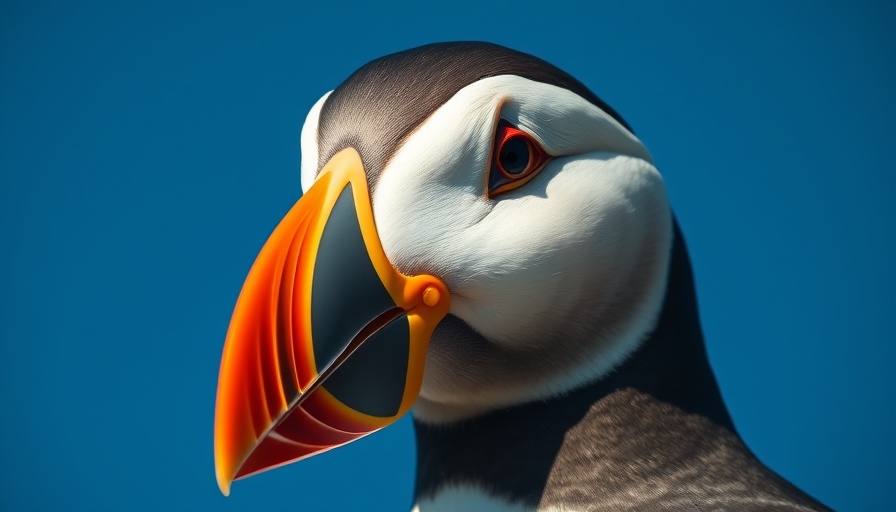
Best Photo of the Month June 2025: Vivid puffin close-up against blue sky

Join the Excitement: Vote for the Best Wildlife Photo of June 2025!

The annual "Best Photo of the Month" competition is back, inviting you to engage with the stunning beauty of our planet’s wildlife. This month, we’re thrilled to showcase an expanded selection of six captivating images that represent the rich biodiversity we often take for granted. Whether you’re a seasoned wildlife enthusiast or a casual observer, this is your chance to vote and support the talented photographers who capture these fleeting moments.

How to Participate in the Photo Voting

Voting is designed to be straightforward and enjoyable! Start by clicking on any of the featured images from June 2025. Once you do, an automatic slideshow will take you through each photograph, allowing you to appreciate the intricate details and vibrant colors that bring these animals to life.

Select your six favorites by simply clicking on them, and when you’re ready, hit that blue VOTE button at the bottom of the page. Your participation not only contributes to the recognition of these artists but also fosters a deeper appreciation for the wild creatures that inhabit our planet.

Why This Competition Matters to Our Community

In the high desert, where the beauty of the land often reflects the resilience of its inhabitants, celebrating wildlife photography transcends mere artistry. Each image tells a story of survival and adaptability that resonates deeply with our local values. This competition prompts conversations about conservation, the importance of biodiversity, and inspires us to reflect on our relationship with nature.

Exciting Details and Conditions for Participants

If you’re interested in entering your own photographs, make sure you adhere to our competition rules: the copyright must belong to you, and your images should beautifully represent wild animals in their natural habitats. This is a platform for genuine wildlife photography, so be mindful that images with frames or those depicting domestic animals aren’t permitted. Remember, you can only vote for your photo once!

Be Part of the Dialogue: Vote and Appreciate!

Voting is not just an act; it's a way of connecting with the artists and the stories being told through their work. Once you cast your votes, take a moment to leave a comment, offering kudos to the photographers. Your words of encouragement can make a significant difference in these artists' journeys.

Remember, voting remains open for seven days following the launch of the competition, allowing ample time for you to reflect on your choices and explore the beauty right from our own backyard.

Looking Ahead: Upcoming Competitions

Mark your calendars! The next competition begins on July 31, 2025. It's another opportunity to discover and support the remarkable artistic interpretations of wildlife from our community and beyond. Let's continue to foster an appreciation for nature and the stories it shares with us.

Wildlife Wonders

12 Views

0 Comments

Write A Comment

*
*
Related Posts All Posts
12.08.2025

Surprising Discovery: Clarion Island's Iguanas Are Native, Not Introduced

Update A Surprising Revelation About Clarion Island's Iguanas In a remarkable shift in our understanding of Pacific island ecosystems, spiny-tailed iguanas on Mexico's remote Clarion Island have been confirmed as native inhabitants, not human introductions as long believed. This discovery, backed by a genetic study led by researchers from the Museum of Natural History in Berlin, suggests these iguanas have been part of Clarion's ecological tapestry for over 425,000 years. The Historical Background of Clarion Island Clarion Island is the westernmost and oldest member of the volcanic Revillagigedo Archipelago, situated about 1,100 kilometers off the coast of mainland Mexico. It has never been physically connected to the mainland, ensuring a unique ecological setting. For decades, it was presumed that the iguanas were brought to the island by humans, particularly during the military's establishment of a base on the island in the 1970s, when they also introduced non-native animals such as sheep and pigs. These introductions led to significant ecological changes, stripping away much of the island's native vegetation. A Closer Look at Evolutionary Evidence Researchers, including biologist Daniel Mulcahy, gathered data and conducted phylogenetic analyses comparing the genetic sequences of the Clarion iguanas to those from mainland relatives. The findings indicated that the iguanas diverged from mainland populations long before humans reached the Americas, affirming their ancient origins. At approximately 425,600 years, the iguanas illustrate a stunning example of natural dispersal, likely arriving on the island via floating vegetation mats, a survival tactic mirrored by many island-dwelling species. Insights into Conservation Efforts The revelation that these iguanas are native and not invasive species carries significant implications for conservation strategy on Clarion Island. Prior assumptions led to plans for their eradication due to a misunderstanding of their role in the ecosystem. Now, scientists argue for a reevaluation of local conservation strategies to protect and preserve the iguanas, recognizing them as a vital part of the island's biodiversity. The Importance of Clarion's Unique Ecosystem Clarion Island boasts a variety of endemic wildlife, from its unique snakes to a diversity of lizard species, including its signature iguanas. These discoveries underline the necessity of informed conservation efforts that take into account the island's complex ecological history. Protective measures need to be directed not only towards the iguanas but also towards eradicating invasive species that threaten the delicate balance of this unique ecosystem. As conservationists react to these findings, it’s evident that protecting the ecological integrity of Clarion Island is a priority. The need for further genetic studies to ascertain the full picture of the biodiversity there will not only help to protect the iguanas but also enhance our understanding of island biogeography, a field crucial for conservation efforts worldwide. Call to Action For those who care about wildlife and conservation in our high desert and beyond, it’s essential to advocate for the protection of unique habitats like Clarion Island. Engaging with local conservation initiatives or supporting organizations dedicated to preserving our planet's biodiversity can make a significant difference in ensuring that species like the spiny-tailed iguana continue to thrive.

12.07.2025

Red-Browed Amazons Return: The Revival of Brazil's Atlantic Forest Ecosystem

Update Bringing Color Back: Red-Browed Amazons Soar Over Atlantic Forest In a remarkable comeback, the vibrant red-browed amazons are once again taking to the skies over Brazil’s Atlantic Forest after a silence that lasted decades. As these brilliantly colored parrots flutter above a reserve in Alagoas, their return signals hope for both the species and the vital ecosystem they help sustain. This story is not just about birds; it’s about the restoration of nature and the resilience of community-led conservation efforts. The Importance of Seed Dispersers Historically, red-browed amazons were abundant in Brazilian forests, known for their striking green and red feathers. However, their population dwindled to the brink of extinction due to a combination of illegal trading and habitat loss. According to Luiz Fábio Silveira, deputy director of the University of São Paulo’s Museum of Zoology, less than 3% of the Atlantic Forest remains in Alagoas, highlighting the urgency of reintroducing these crucial seed dispersers to restore ecological balance. Their absence has led to a troubling trend where trees that rely on animal interaction for growth are being replaced by less favorable species. A Dedicated Reintroduction Effort The journey of these 20 young parrots began two years prior, as they prepared for their wild release in a carefully managed aviary. During this time, they adapted to the local environment and learned to identify natural foods. This meticulous preparation demonstrates the depth of commitment from researchers and conservationists working under the Project for the Evaluation, Recovery and Conservation of Endangered Birds (ARCA). Silveira mentions that even behavioral assessments were employed to ensure that only the resilient birds could take flight into the wild. Community Engagement in Conservation The release took place in a biosphere reserve near Coruripe, managed by the legal and supportive presence of a local sugarcane company, Usina Coruripe. This collaboration between private entities and conservationists represents a shift in conservation strategies, promoting partnerships that transform fragmented forests into protected reserves. As Silveira noted, community monitors play an essential role, sending regular updates and videos that capture the exuberance of the returning sounds of the parrots, reigniting life in the forest. Challenges Ahead for the Red-Browed Amazons Despite the promising start, the reintroduced parrots face significant challenges. Their survival hinges on community vigilance, as the most significant threat is losing their way beyond the safety of the forest. Young birds are particularly vulnerable, and their future reproduction will not occur until they reach sexual maturity, anticipated in 2027. As nature takes its course, the team remains hopeful for the growth of a self-sustaining population that can thrive in their natural habitat once more. The Broader Impact of Conservation The foray of red-browed amazons back into the Atlantic Forest is more than just an avian success story; it symbolizes a greater reconciliation between humanity and nature. Each bird that reclaims its rightful place is a testament to the collaborative efforts of local communities and conservation agencies. As this project continues, it underscores the importance of protecting the fragments of our natural world—to preserve not only the beauty of these parrots but also the intricate web of life they support. As we witness the resurgence of the red-browed amazons, let us remember that every small effort counts in the fight to maintain biodiversity. By engaging with local conservation initiatives or simply spreading awareness about endangered species, we can all contribute to the vibrant tapestry of life that defines our planet.

12.06.2025

Explore the Awe-Inspiring World of Wildlife in Attenborough's Kingdom

Update Striking Visuals and Compelling Narratives In the captivating new series Kingdom, David Attenborough once again proves why he is a legend in wildlife storytelling. Over five years of filming, the BBC has produced a six-part series that immerses viewers in the intricate lives of African animal families—leopards, hyenas, wild dogs, and lions—within South Luangwa National Park, Zambia. The scale of this project is considered immense, with the production team dedicating around 1,400 days to document these creatures in their natural habitat. The Drama of Nature's Game of Thrones As Attenborough puts it, Kingdom feels reminiscent of a natural version of Game of Thrones, blending fierce rivalries with ongoing survival narratives. Viewers are introduced to Olimba, the leopard matriarch, as she navigates the treacherous world of predator relationships in the valley—teaching her cubs survival skills against lurking dangers. Along the way, we see not just the action-packed scenes of leopards hunting but the emotional weight carried by each animal, evoking a shared connection to nature. Narrative Thread That Connects Us One of the highlights of Kingdom is its ability to weave multiple perspectives into a single narrative. This series continues to showcase not only the predatory instincts of animals but also their social dynamics and emotional bonds. The tension is palpable as we watch the shifting alliances between wild dogs and hyenas, who embody the complex nature of survival in the wild. It’s a powerful reminder of how interconnected these relationships are, much like the human stories we often cherish. Emotional Depth and Realism In one heart-wrenching scene, Olimba's search for her missing son, Moyo, encapsulates the series' emotional complexity. This poignant moment is not just about survival; it's a visceral reminder of the tender relationships that exist even among the wild. The artistic cinematography captures not just action but the beautiful yet alarming balance of life, drawing viewers into contemplating their own experiences and emotional landscapes. Engaging with Our Natural World For audiences, particularly adults in the high desert with an appreciation for wildlife, Kingdom offers an almost meditative experience. It prompts viewers to reflect on their relationship with nature, the beauty of wildlife, and the harsh realities that exist side by side. As technology advances, it becomes essential that stories like these reinvigorate our sense of awe towards our environment, encouraging not just appreciation but advocacy for conservation. Ultimately, Kingdom is a series that leaves us not only entertained but also with a profound reverence for the natural world. It’s a call to action for viewers: to engage deeper with the stories of wildlife and acknowledge the beauty that surrounds us, urging us to protect it for future generations.

Terms of Service

Privacy Policy

Core Modal Title

Sorry, no results found

You Might Find These Articles Interesting

T
Please Check Your Email
We Will Be Following Up Shortly
*
*
*