

Add Row
Add Element
update
High Desert Thrive News
update
Add Element
  • Home
  • Categories
    • Local News
    • High Desert Lifestyle
    • Home Services
    • Restaurants
    • Adventure Trails
    • Wildlife Wonders
    • Climate Insights
    • Health
  • Featured
October 16.2025
3 Minutes Read

Can Limited-Time Burgers Keep NYC Diners Coming Back for More?

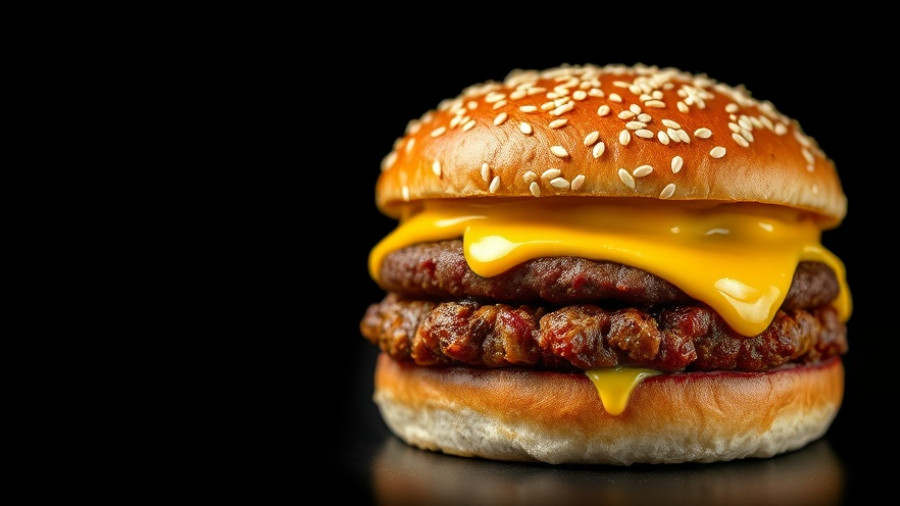
Delicious limited-time burger in NYC with cheese and beef patty.

Can Limited-Time Burgers Reshape NYC Dining Culture?

In the bustling landscape of New York's culinary scene, the quest for the ultimate burger has become a shared passion among locals and tourists alike. This current trend features limited-time offerings that promise not only a culinary delight but an experience that encourages diners to embark on a kind of gastronomic treasure hunt. One of the pioneers in this niche is Sip & Guzzle, a place that has successfully crafted a buzz around its exclusive Tavern Burger, created by chef Mike Bagale.

What Makes Limited-Time Burgers So Special?

At Sip & Guzzle, Bagale's Tavern Burger is no ordinary creation. Ground from the esteemed Miyazaki A5 Wagyu beef - a luxury often reserved for high-priced steak dishes - it features a blend of flavors and textures that immediately grab attention. Priced at $35, this burger is not just a meal; it’s an indulgent experience, topped with smoked aïoli and pepper relish that transform a simple beef patty into something extraordinary. However, the allure doesn't solely lie in its flavors but in its status as a limited offer. "Only 12 will be served each night," Bagale states, an echo of the original philosophy that came from Raoul’s, another iconic establishment known for its Burger Au Poivre. The appeal of rarity paired with superb quality creates a desire not only to savor the taste but to share the experience with friends.

The Influence of Culinary Icons on Burger Trends

Adding formidable weight to this rising trend is the legendary chef Daniel Boulud, whose brief foray into the limited-time burger realm at Le Gratin has fans clamoring for more. Known for his once-storied “DB” burger, Boulud’s culinary prowess guarantees that any venture into burger territory will attract attention. In fact, his Truffle Burger, featuring an indulgent slab of fried pork belly and truffles, exemplifies how haute cuisine can coalesce with fast food classics, elevating both.

Exploring the Burger Landscape Beyond the Limits

As local spots embrace the limited-time strategy, many have turned to culinary collaborations to drive excitement. For instance, several restaurants are launching unique burger-and-champagne pairings to coincide with seasonal events such as the Veuve Clicquot Polo Classic. Specifically, locations like Dante and Peak are blending food and beverage experiences to offer diners an irresistible reason to try their exclusive dishes.

The Community Impact: What Does This Mean for Locals?

More than just fleeting food experiences, these limited offerings foster a sense of community. Diners share their experiences on social media, cultivating local pride as they discover specialities unique to their city. It’s not merely about satiating hunger—it's about creating moments worth sharing, capturing the essence of togetherness amidst the urban bustle of New York.

Are these Burgers Worth a Line?

As each restaurant unveils their limited-time offerings, the question persists: do the burgers live up to the hype? With a track record of success from establishments like Raoul’s paving the way, places like Sip & Guzzle and Le Gratin are not just serving food; they’re crafting culinary events that are remarkable experiences in their own right. Standing in line may seem trivial, but it embodies a communal anticipation that transforms eating into a cultural phenomenon.

This burger wave, defined by exclusive, decadent options, has invigorated NYC's dining culture. For those eager to tingle their taste buds, the thrill of the limited-time burger is certainly one worth pursuing. If you haven’t yet tasted one of these culinary masterpieces, now may be the perfect time to partake in what could be one of the defining dishes of New York’s evolving gastronomic narrative.

Restaurants

30 Views

0 Comments

Write A Comment

*
*
Please complete the captcha to submit your comment.
Related Posts All Posts
03.12.2026

Noma's Controversial Pop-Up: Navigating Industry Change Amid Protests

Update Noma’s Resilience Amid ControversyAs the sun set over Silver Lake, Los Angeles, the luxury dining establishment Noma kicked off its much-anticipated pop-up series, where a meal costs a staggering $1,500 per person. Despite the eye-catching price tag, this inaugural dinner was shrouded in controversy. Just outside the lavish Paramour Estate, a group of protesters rallied against its founder, René Redzepi, following resurfaced allegations of abuse towards past employees. They waved signs denouncing the restaurant’s legacy with slogans such as "Unpaid Labor Built Your Empire" and "Noma Broke Me".These protests serve as a stark reminder of the turbulent discussions surrounding the restaurant industry today, where the glimmer of high-profile dining often conceals dark realities of labor abuse. Jason Ignacio White, a former employee at Noma, underscored the importance of this dialogue, stating in an open letter that changes at Noma are necessary but not sufficient for healing the workplace culture historically marred by misconduct.A Legacy of AllegationsRecent headlines have repeatedly highlighted the troubling narratives shared by former staffers, describing instances of humiliation, intimidation, and verbal abuse that spanned several years. These testimonies were given renewed attention in a detailed New York Times exposé, prompting conversations in the culinary world about the treatment of kitchen staff—especially those in lesser positions such as interns.Redzepi, amidst the uproar, issued a formal apology acknowledging his past actions, implying that he has taken steps to alter the internal culture of Noma. His statements reflect a broader trend in the restaurant industry, where chefs and owners are increasingly being held accountable for their behavior. Some fellow chefs have expressed a willingness to support Redzepi's journey of personal growth, while others remain critical, suggesting greater accountability is needed.Current Reactions and Future PredictionsAs the Noma pop-up unfolds, the responses from the culinary community will be pivotal. While some chefs applaud efforts for growth, there are significant voices demanding systemic change within restaurant culture itself. Chef Uyên Lê, well-respected for her advocacy work, expressed skepticism about merely praising individuals instead of addressing the wider cultural issues that allow such practices to persist.The outrage from the public signals a potential turning point in the restaurant industry; patrons are increasingly scrutinizing the ethics behind their dining experiences and calling for action against those who perpetrate abuses. Diners today are more likely to factor a restaurant’s treatment of employees into their decision-making process, suggesting that future business models must prioritize inclusivity and ethical practices over mere luxury.Exploring the Broader ImpactFurthermore, White’s organized protest highlights an essential movement to advocate for fair wages in a field notoriously fraught with inequity. The discussion surrounding a proposed $30 minimum wage in Los Angeles reflects a desire for dignity and respect in a sector that often exploits passion for profit.As Noma’s series continues, it will be imperative to observe how these colossal conversations around accountability and labor rights evolve within these walls. Will diners continue to flock to Noma despite the controversies, or will they choose to prioritize establishments offering fair compensation and a positive work environment? The answers lie in the continued engagement of the community around these dining experiences.Call for ChangeAs the culinary world stands at a crossroads, how we engage with and celebrate our dining experiences will shape the industry’s future. We encourage readers to reflect on where they choose to eat and consider supporting restaurants that promote fair practices and uphold a respectful atmosphere for all.

03.11.2026

Experience the Excitement of Eddie Huang’s New Baohaus in NYC

Update Discovering the Revived Spirit of Baohaus in NYC When news broke that Eddie Huang was reopening Baohaus in the East Village, food enthusiasts were eager to see what this culinary icon would bring to the table in 2026. Close to two decades ago, Huang paved the way for Taiwanese street food in New York, and after a brief hiatus, his return feels like both a nostalgic blast from the past and an exciting glimpse into the future. A Flavorful Nostalgia with a Modern Twist The scene at Baohaus is unrecognizably lively. Set against the vibrant hub of St. Marks Place, the restaurant buzzes with an energy reminiscent of its original days. It’s a place where old friends reunite over familiar flavors while new connections are forged amidst the sizzling sounds of the kitchen. As Huang himself joyfully interacts with guests, donned in his quintessential bucket hat and spirited attire, it's clear that the soul of Baohaus remains intact. The menu may not yet feature the beloved baos that started it all — they'll return for lunch soon — but the offerings for dinner are nonetheless enticing. From stir-fried pork to vegetarian ma po tofu, each dish dances on the palate with familiar flavors and the occasional unexpected twist. Huang’s shift towards using agave nectar brings a sweet finesse to the dishes that some might find an intriguing departure from traditional profiles. Creating Community Through Food In addition to a revamped menu, Huang has expressed a desire to cultivate a lively dining atmosphere reminiscent of Taiwanese late-night eateries. With hopes to reintroduce late-night dining, Baohaus seeks to serve not just meals but experiences, where individuals can gather and celebrate community over shared plates and stories. The restaurant’s location, within walking distance from NYU, positions it perfectly to recapture a younger audience eager for vibrant flavors and late-night comfort. Parallels with Tradition and Innovation The concept of late-night dining is not just an homage to the culture of Taiwan; it reflects Huang's journey through food. After his hiatus, during which he penned a memoir, directed a film, and co-hosted a podcast, his return to cooking signifies a full-circle moment in his career. It's a beautiful synthesis of tradition and innovation — he brings back favorite dishes while simultaneously experimenting with flavor combinations and cooking techniques, continuing to push the boundaries of Taiwanese cuisine. Looking Forward: Potential for Growth As Baohaus establishes itself in its new locale, it’s worth pondering how Huang’s vision will continue to evolve. What new flavors will emerge as he navigates the bustling world of NYC dining? How will he adapt his cooking style to keep pace with trends while honoring his roots? The answers may unfold in the coming months as Huang and Baohaus embrace the dynamic culinary landscape of New York City. Why You Should Check Out Baohaus The reopening of Baohaus isn’t just about food; it’s about the spirit of connection and the warmth that comes with sharing a meal. The nostalgia for familiar flavors, paired with Huang’s innovative approach, makes this a must-visit spot in NYC. Grab some friends, enjoy some late-night dining, and immerse yourself in an experience that is both culturally rich and deliciously satisfying.

03.10.2026

Noma’s Culinary Illusions Unmasked: What Really Lies Behind Fine Dining's Glamour?

Update The Shocking Truth Behind Noma's Culinary Prestige Noma has long been revered as one of the world's most innovative restaurants, yet recent revelations highlight a troubling narrative of abuse lurking behind its Michelin-starred facade. The fine dining establishment, led by chef René Redzepi, is currently embroiled in controversy as former employees share harrowing accounts of physical and psychological abuse that took place over the years. The New York Times recently detailed multiple allegations from staff, painting a stark picture of an environment marred by intimidation and fear. Details of Abuse Uncovered Former staff members have come forward with testimonies of their experiences at Noma, describing incidents where Redzepi allegedly resorted to violence and humiliation. According to these accounts, punishments included physical assaults such as being punched, stabbed with kitchen tools, and worse—retaliation for minor infractions or as a method of public shaming. One former intern recounted Redzepi's notorious temper, including an episode where he punched a cook in the ribs during service over a trivial issue. This culture of fear was not limited to physical violence; psychological abuse was also rampant. Staff members described feeling like they were working in a war zone, where silence and compliance were the only ways to navigate the high-pressure environment. As one former chef noted, "Going to work felt like going to war." This brutal treatment is not merely an isolated scandal but indicative of a broader issue within high-end dining establishments, often romanticized in popular culture. The Irony of Prestigious Dining Culinary enthusiasts may find it ironic that the very meals that captivate the senses are intertwined with the suffering of those who create them. Critics argue that accolades, such as Michelin stars and placements on the World’s 50 Best Restaurants list, can mask exploitative labor practices that persist in the culinary world. This dichotomy raises questions about the moral implications of dining experiences that glorify perfection while disregarding the humanity of kitchen staff. Redzepi's Response and Changing Culture In light of these allegations, Redzepi issued a public apology, stating, "To those who have suffered under my leadership, my bad judgment, or my anger, I am deeply sorry." He further emphasized the changes implemented at Noma, including new human resources practices and a commitment to better working conditions. Yet, many former employees remain skeptical, insisting that the legacy of violence has not been adequately addressed or acknowledged. As Noma prepares to embark on a highly anticipated pop-up in Los Angeles, the shadow of its dubious past looms large. Former staff member Jason Ignacio White is organizing protests against the event, aiming to raise awareness about worker exploitation in the restaurant industry. His initiative reflects a growing movement pushing for reform, transparency, and accountability within high-end dining establishments. How Diners Can Make A Difference As consumers, it is essential to consider the stories behind the meals we enjoy. Choosing to support restaurants that prioritize fair labor practices can contribute to positive change in the industry. Additionally, advocating for transparency can help ensure that the culinary accolades we celebrate don’t come at the expense of workers’ well-being. The narrative surrounding Noma is a potent reminder of the complexities woven into the fabric of fine dining, illuminating the duality of culinary art and the ethical considerations that must accompany it. As diners, we have a unique opportunity to engage critically with the dining experiences we cherish, fostering a culture where equality and respect are fundamental. Noma may have garnered accolades for its innovative cuisine, but the restaurant's story extends far beyond the plate. The fight for a respectful culinary culture continues, and it starts with awareness and action from all of us.

Terms of Service

Privacy Policy

Core Modal Title

Sorry, no results found

You Might Find These Articles Interesting

T
Please Check Your Email
We Will Be Following Up Shortly
*
*
*