

update
High Desert Thrive News
update
  • Home
  • Categories
    • Local News
    • High Desert Lifestyle
    • Home Services
    • Restaurants
    • Adventure Trails
    • Wildlife Wonders
    • Climate Insights
    • Health
  • Featured
September 08.2025
2 Minutes Read

BASC's Raffle of Ducks and Geese at Nature Reserve Sparks Outrage

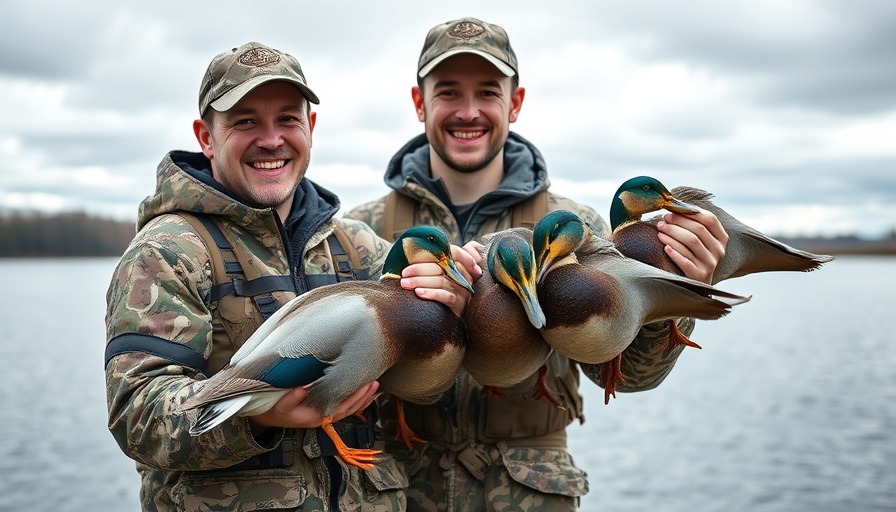
Young hunter holding ducks by the lake, raffling ducks and geese for hunting.

Raffling Wildlife: A Disturbing Trend

The recent decision by the British Association for Shooting and Conservation (BASC) to raffle off ducks and geese for shooting at the Lindisfarne National Nature Reserve highlights a troubling normalization of wildlife killing in England. The organization is promoting a chance to experience guided wildfowling in a region renowned for its avian diversity, which includes up to 13,000 pink-footed geese and 23,000 wigeon.

The Significance of Lindisfarne National Nature Reserve

Lindisfarne National Nature Reserve (NNR) is not just another location; it’s a vital 3,541-hectare Ramsar site that plays a critical role in preserving globally significant wintering bird populations. The reserve hosts six internationally important species, including the Pale-bellied Brent Geese, making it crucial for biodiversity. Natural England’s guidelines emphasize the importance of safeguarding this habitat, urging visitors to minimize disturbances.

A Clash of Conservation and Shooting Culture

Critics argue BASC’s actions are indicative of a larger conflict between conservation efforts and shooting sports. The duality of branding their activities as 'conservation' while simultaneously offering opportunities to kill wildlife raises questions about the sincerity of their commitment to protecting bird populations. As awareness of wildlife conservation grows, the juxtaposition of hunting in protected areas seems increasingly discordant.

Unpacking the Ethical Concerns

This promotion also reflects broader ethical concerns regarding human interaction with wildlife. To lure participants into a nature reserve renowned for its stunning landscapes and rich biodiversity, only to exploit it through hunting, seems counterintuitive to the very essence of conservation. Many understand the importance of preserving wildlife, but events like these may undermine the trust and respect that local communities have towards conservation efforts.

The Call for Change

As awareness grows regarding the delicate balance of ecosystems, it is vital to advocate for more ethical interactions with wildlife. Rather than supporting hunting and killing, communities should embrace research, birdwatching, and education about local biodiversity. Initiatives focusing on people’s appreciation of nature without harm could strengthen communal bonds and foster respect for wildlife, ensuring future generations can enjoy these magnificent areas.

Conclusion: Making a Difference

As engaged stewards for our environment, it is crucial for local residents to prioritize actions that protect wildlife rather than endanger it. Supporting conservation over hunting celebrates the beauty of our natural reserves and encourages a shared responsibility toward the preservation of wildlife. By donating to credible conservation projects, communities can make a tangible impact in protecting these incredible ecosystems.

Wildlife Wonders

38 Views

0 Comments

Write A Comment

*
*
Please complete the captcha to submit your comment.
Related Posts All Posts
06.09.2026

Canada's Bold Move to Relocate Whales: A New Chapter for Wildlife Welfare

Update A New Hope for Whales in Need In a significant move for animal welfare, the Canadian government has affirmed its support for a plan to transfer whales currently housed at Marineland, a controversial marine park in Ontario, to sanctuaries in the United States and Spain. This decision comes after years of pressure from conservationists and animal rights advocates who have highlighted the adverse conditions these intelligent creatures face in captivity. The Background of Marineland Marineland has been under scrutiny for its treatment of animals for decades, with multiple reports detailing neglectful practices and poor living conditions. As communities near the high desert express growing concern for wildlife and environmental sustainability, this endorsement from the Canadian government signals a potential shift toward more humane treatment of marine animals. The initiative aims not only to relocate the whales but to provide them with a chance for rehabilitation and a better quality of life. Why This Matters Now As the world grapples with the implications of climate change and the ethical treatment of animals, the decision to move these whales to sanctuaries is a step toward acknowledging these larger issues. Wildlife enthusiasts in the high desert may find this development particularly relevant as it aligns with local initiatives focused on environmental conservation and animal welfare. By supporting such actions, individuals can engage with the broader mission of protecting our planet's natural inhabitants. Looking Forward: What’s Next? While the agreement has been received positively, the relocation process will require careful planning and execution to ensure the whales' safety and well-being. Experts will oversee their transition, aiming to ensure that these majestic creatures are returned to a more natural habitat where they can thrive. This initiative is expected to serve as a model for similar efforts globally, further inspiring communities to advocate for animal rights. Be Part of the Change Residents in high desert communities can play a role in supporting wildlife protection by participating in local initiatives that promote awareness and action for animal welfare. Engaging with local wildlife preservation groups can provide avenues for residents to learn and contribute actively, making a tangible difference in their environment. The decision to move these whales is more than just a story about animal relocation; it's a reflection of changing attitudes towards wildlife care and environmental stewardship. As we witness this evolution, let us rally behind wildlife protection efforts and advocate for sustainable practices that safeguard our natural world for generations to come.

06.08.2026

Discover the Weirdest Reptiles: Adaptations That Thrill and Inspire

Update Unveiling the Wild Wonders of Reptiles In the vast and varied landscapes of our planet, reptiles crawl, slither, and trot with a fascinating array of adaptations that allow them to thrive across diverse environments. These cold-blooded creatures are not only survivors; they are marvels of evolution. From the iconic chameleon that changes colors to the remarkable basilisk lizard that runs on water, reptiles exhibit behaviors and features that captivate and intrigue. Meet the Masters of Adaptation You might think of reptiles as simple creatures, but their adaptations tell a different story. For instance, consider the alligator snapping turtle, which has developed a unique worm-like tongue to lure fish into its jaws. This clever mechanism highlights nature's ingenuity in the reptile world. Similarly, the Texas horned lizard has a outlandish self-defense technique: it can squirt blood from its eyes to deter predators. Such adaptations not only ensure survival but also demonstrate the incredible ways wildlife responds to environmental pressures. Behavioral Strategies That Surprise Beyond anatomical adaptations, reptiles also engage in remarkable behaviors. Take the Green Sea Turtle, which migrates thousands of miles to lay its eggs on the beaches where it was born. This extraordinary journey is a magnificent display of instinct, reflecting the deep-rooted connection these reptiles have with their habitats. Behavioural adaptations like this highlight the importance of instinct in reptiles, giving them an edge in both finding mates and ensuring the success of their offspring. Insights from Unique Species Among the myriad of reptile species, some stand out not just for their survival traits, but for the intriguing stories they tell us about their ecosystems and even about ourselves. The Gopher Tortoise, as documented in studies, plays a keystone role in its environment by digging burrows that provide shelter for various other species. This tortoise's simple existence underlines the interconnectedness of life. Understanding such relationships is vital for conservation efforts, particularly in the high desert areas where organisms rely on each other for survival. Embracing the Wild: Conservation Efforts As we explore the remarkable characteristics of reptiles, it is essential to recognize the need for their protection. Habitat loss, climate change, and human activities continue to threaten many reptile species. By raising awareness and supporting local conservation initiatives, we have the power to safeguard these incredible creatures and the environments they inhabit. Get Involved: Protecting Our Reptilian Neighbors For those of us in high desert areas, it’s crucial to understand the presence of unique reptiles such as the beautiful and fascinating Western Pond Turtle or the resilient Horned Lizard. Participate in local wildlife events or volunteer with organizations focused on protecting these species. Every little action counts and contributes to a larger effort of preserving the delicate balance of our ecosystems. By embracing the stories and survival strategies of these incredible reptiles, we not only develop a deeper appreciation for nature but also become advocates for conservation. Let’s work together to protect the amazing reptiles we share our world with, ensuring that future generations can enjoy their wonder too.

06.07.2026

Shark Attack Survivor: What This Means for Safe Ocean Adventuring

Update The Perilous Dance With Nature: A Shark Attack in Focus In a chilling reminder of the raw power of nature, a 15-year-old boy's encounter with a shark during a lobster diving trip has brought the dangers inherent in our oceans to the forefront. This incident, which could have ended tragically, serves as an important moment for understanding wildlife interactions and the fierce reality of marine life. While the boy's injuries were severe, he has become a symbol of survival, showcasing not just the resilience of youth but the dedicated efforts of medical professionals in the wake of such horrific accidents. Understanding Shark Behavior: A Cautionary Tale The boy had been enjoying a day of adventure off the coast of Florida when he encountered what experts believe was a bull shark. This species is known for its ferocity and power, with a jaw capable of crushing bone. As reported, the moment of the attack was as startling as it was swift, where a sudden 'push and pull' in the water signaled that something was amiss. Experts emphasize that understanding marine behavior is crucial for anyone venturing into the ocean. Sharks often investigate unfamiliar objects and beings with a bite, and many attacks result from curiosity rather than aggression. This unfortunate situation highlights the importance of educating adventure-seekers on safety practices while in ocean habitats. Medical Heroes: The Team That Saved a Life Upon being airlifted to Kendall Regional Medical Center, the traumatic injuries the boy sustained were dire. Losing over 70% of his blood, he faced overwhelming odds. However, a determined and skilled trauma team sprang into action. Comprising various specialists, they collaborated to reconstruct his severely damaged legs and tendons, providing not just immediate medical support but a pathway toward recovery. Their teamwork exemplifies the hard work and dedication of healthcare professionals who face life-and-death situations daily to save lives. The boy is now on the road to recovery with the aid of physical therapy, demonstrating resilience in the face of adversity. Exploring Our Connection With Wildlife As residents of the high desert, our connection to wildlife is multifaceted and often deeply personal. While many find adventure in interacting closely with nature, it’s crucial that we do so with a respect for the ecosystems we enter. This respect encompasses understanding the behaviors and habitats of various species, including sharks. For families considering ocean trips, there is an urgency to learn best practices for safety; this includes understanding the wildlife you might encounter to prevent potential calamities. Future Perspectives: What Comes Next? This incident not only calls for more awareness about oceanic safety but also for a broader conversation about our coexistence with wild creatures. Each time we enter natural habitats, we become privileged visitors in a world governed by instincts and survival mechanisms that can sometimes clash with human activities. Looking ahead, there will likely be increased calls for educational programs aimed at youth and families—programs that provide strategies for safe interaction with wildlife. By fostering a deeper understanding of our connection to the natural world, we can cultivate safer environments and experiences for everyone. Call to Action: Preparing for Your Next Adventure As thrilling as close encounters with nature can be, preparation is essential. Before your next ocean adventure, take the time to educate yourself and your family about the local wildlife. Knowledge can be your most powerful tool—equipping you to enjoy the beauty of nature safely and responsibly.

Terms of Service

Privacy Policy

Core Modal Title

Sorry, no results found

You Might Find These Articles Interesting

T
Please Check Your Email
We Will Be Following Up Shortly
*
*
*