

Add Row
Add Element
update
High Desert Thrive News
update
Add Element
  • Home
  • Categories
    • Local News
    • High Desert Lifestyle
    • Home Services
    • Restaurants
    • Adventure Trails
    • Wildlife Wonders
    • Climate Insights
    • Health
  • Featured
June 30.2025
2 Minutes Read

The Silent Extinction of Leopards: What You Can Do for Wildlife

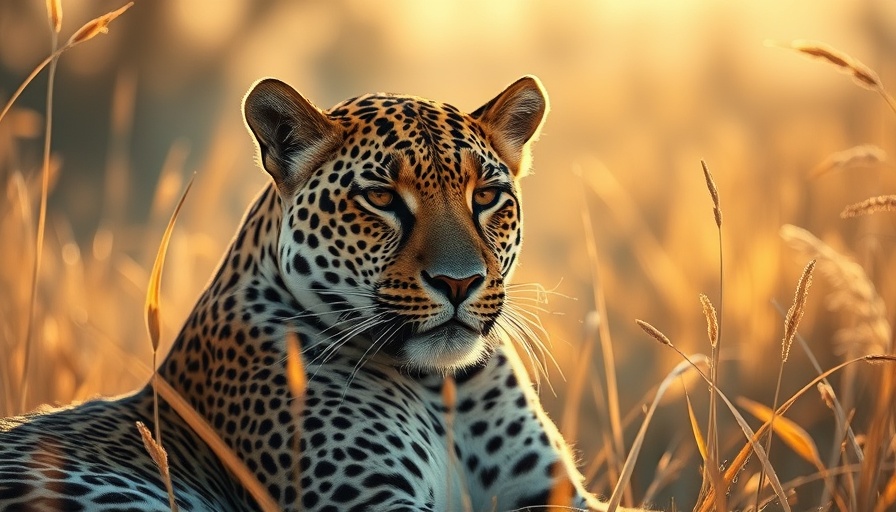
Majestic leopard in golden light, highlighting poaching threat.

The Hidden Crisis: Leopards on the Brink

Once regarded as majestic solitary hunters, leopards have recently been labeled as "forgotten" big cats, trapped in a perilous cycle of poaching and illegal trade. With their distinctive golden disguise dotted by dark rosette spots, leopards are not just symbols of wildlife beauty, but vital contributors to the ecosystems they inhabit. Unfortunately, their survival is increasingly jeopardized by human greed and negligence.

Historical Decline: From Abundance to Extinction

Historically, leopards roamed vast regions across Asia and Africa; however, in recent decades, their habitats have shrunk significantly. Data indicates that the leopard population is particularly thriving in India, where approximately 14,000 leopards can still be found. In contrast, the wider global population is plummeting, heightening the urgency to promote awareness and protective measures.

The Trade That Targets Them

Despite existing international laws designed to protect leopards, they remain one of the most heavily traded big cat species. An alarming 8,303 trade permits for leopards have been issued between 2000 and 2024, with leopard trophies being the largest portion. The demand for their body parts in traditional medicine and home decor is driving this myopic trade, which unfortunately thrives in areas like Southeast Asia where cultural beliefs value their body parts as symbols of wealth.

Revealing the Numbers: Statistics Behind the Slaughter

According to the International Fund for Animal Welfare and data from CITES, between 2000 and 2023, about 60,830 leopard commodities were logged in both legal and illegal trade. Shockingly, nearly 91% of these commodities originated from wild leopards. The statistics significantly showcase that the demand for leopards is not only persistent but also growing, leading to their dire plight of silent extinction.

No More Silence: A Call to Action

As we gather in our high desert communities, let us remember that every species counts. Advocating for local conservation initiatives and supporting organizations dedicated to preserving wildlife can reverse this trend. By spreading awareness about the plight of leopards, we not only safeguard an iconic species but also enrich our own lives, helping to maintain the biodiversity that supports our environment.

As you explore the beauty around you, consider joining or starting a conversation in your community about protecting our wildlife. The next step we take could be the key to ensuring the survival of these magnificent creatures.

Wildlife Wonders

20 Views

0 Comments

Write A Comment

*
*
Please complete the captcha to submit your comment.
Related Posts All Posts
04.08.2026

The Delicate Balance of Lemurs and Invasive Guava in Madagascar's Forests

Update Madagascar's Biodiversity Crisis: Lemurs and Strawberry Guava Madagascar, celebrated for its extraordinary biodiversity and unique species, is grappling with an ecological crisis as invasive species threaten the survival of its indigenous wildlife. Among the culprits is the strawberry guava (Psidium cattleyanum), which has become a prevalent invader since its introduction from Brazil. This invasive tree produces sweet, ruby-red fruits that lemurs adore but comes at a cost to the forest ecosystems. Lemurs: Both Victims and Agents of Invasion While lemurs are iconic representations of Madagascar’s wildlife, their reliance on strawberry guavas creates a dilemma for conservationists. The lemurs, including endangered species like the Milne-Edwards’ sifaka, are drawn to the fruit, which they consume enthusiastically during the fruiting season, consequently spreading the guava’s seeds through their dung. Biologist Amy Dunham notes that this pattern creates an uncomfortable paradox: something that nourishes the lemurs is simultaneously undermining their habitats. Invasive Guavas Reshaping Ecosystems The spatial dominance of strawberry guavas leads to the creation of dense "monocultures," which hinder the growth of native vegetation. Research shows that these invasive trees drain essential nutrients from the soil while reducing the diversity of insects and other vital organisms. With such disruptions, native birds and small mammals, reliant on a broad spectrum of insects for food, face significant threats, risking a cascading effect on the entire ecosystem. Forest Restoration Challenges Mauritian ecologist Lutchmee Sujeeun’s studies suggest that the solution is complex. Places like Black River Gorges National Park in Mauritius have experimented with biochar—a product made from plant waste—to mitigate the harmful effects of guava on native flora. This approach has yielded promising results; hence, researchers are exploring the feasibility of applying similar practices in Madagascar. However, the financial, physical, and ecological losses already inflicted by guava pose an enormous challenge. Restoring Biodiversity: A Critical Endeavor Dunham asserts the importance of preserving Madagascar’s myriad plant species, not just the famous lemurs. As one of the world's biodiversity hotspots, efforts to restore forests must also prioritize the delicate relationships between flora and fauna. The loss of vital species, like mistletoe which supports multiple animal diets, can have a damaging domino effect on entire ecosystems. Voices for Change: Grassroots Efforts in Conservation Local communities and organizations play a critical role in biodiversity preservation. Educating farmers about sustainable land-use practices helps ensure that both the forests and their inhabitants are safeguarded. Communities adopting agroecology techniques are not only supporting their livelihoods but are also contributing to a larger movement aimed at ecological restoration. Facing the Future: What Lies Ahead The challenges presented by invasive species require urgent, well-funded conservation strategies that are grounded in scientific research. The delicate balance between supporting lemurs with their favorite fruit and protecting the vital ecosystems they inhabit must be respected. Ultimately, cultivating a better understanding of this complex issue can lead to actionable insights, fostering a brighter future for Madagascar’s wildlife. As stewards of our natural world, we call upon readers to engage with wildlife preservation initiatives, helping to forge pathways where biodiversity can flourish once again.

04.06.2026

Discover How Australia’s Flying Foxes Provide Economic Value and Ecosystem Services

Update The Remarkable Role of Australia's Flying Foxes in the Ecosystem Each evening, like clockwork, large clouds of flying foxes—also known as fruit bats—take to the skies over eastern Australia. With wingspans reaching up to a meter, these fascinating creatures don’t just enjoy nectar and fruits; they play an incredibly vital role in their ecosystem. This role has recently been highlighted in a groundbreaking study published in Scientific Reports, revealing the economic value of their contributions to the Australian timber industry and beyond. The Economic Impact of Flying Foxes Flying foxes are often misunderstood, but they are key players in maintaining Australia's forests. A new study indicates that these bats contribute an astonishing AUD $271 million to $955 million per year to the timber industry through their pollination services. Their nightly foraging spans vast distances—up to 41.4 million hectares—making the economic ripple effect they create truly remarkable. As noted by the lead author Alfredo Ortega González, the bats' movement and corresponding nutrient distribution are unrivaled in the animal kingdom. Understanding the “Bat Ripple” Effect The findings related to the “Bat Ripple” describe how flying foxes impact their surrounding environment not just locally but over extensive areas. This innovative term encapsulates the breadth of nutrients and seed dispersal these bats facilitate, which is essential for forest regeneration. The implications of this for biodiversity and conservation are profound, especially considering recent challenges such as extreme heat events that have devastated bat populations. A Call for Conservation Despite their significant ecological contributions, flying foxes are often viewed as pests due to their noise and occasional fruit consumption. However, researchers like Alexander Braczkowski emphasize that these views must change. The alarming decrease in their populations—due to climate-induced stresses—underscores their need for conservation and public support. As we navigate the implications of climate change, understanding and protecting species like flying foxes becomes not just important but urgent. Implications for Habitat and Biodiversity The benefits of flying foxes extend beyond just the economy; they are essential for maintaining forest ecosystems. These bats can help regenerate up to 91.6 million trees a year, playing a crucial role in restoring habitats. As habitats decline, the urgency to shift public perception about flying foxes—seeing them as essential rather than nuisances—grows. Our local environments can thrive with safer habitats for flying foxes, supporting biodiversity and fostering healthier ecosystems. What You Can Do to Help As awareness spreads about the beneficial role of flying foxes, it’s crucial for individuals to take action. Simple steps like supporting wildlife protection initiatives or educating others about the importance of these bats can lead to substantial change. Conservation starts with knowledge and advocacy. Take a moment to reflect on the incredible services these overlooked animals provide and share this knowledge with your friends. Engaging in local conservation efforts can make a difference. Protecting Australia's flying foxes ultimately safeguards the vital ecosystems they support.

04.05.2026

Facing Decline: New Restrictions on Shooting Six Endangered British Wild Birds

Update The Ailing Chorus: Protecting Six Endangered British Wild Birds Throughout the UK, the captivating sounds of nature are at risk of fading away as six remarkable bird species face alarming population declines. Recent legislative proposals aim to impose restrictions on the shooting of these vulnerable birds, including the iconic woodcock, goldeneye, pintail ducks, and more. These changes underscore a growing commitment among the governments across England, Scotland, and Wales to safeguard these invaluable members of Britain’s wildlife. A National Treasure at Risk The woodcock, a distinctive bird known for its long bill and secretive nature, has long captured the public's imagination. Similarly, the pochard duck, which once graced our lakes during winters, has seen a rapid decline in numbers, putting its status as a treasured species in jeopardy. Conservationists note that the population of the pochard is now so depleted that it serves as an alarming barometer of the overall health of our freshwater ecosystems. A Legislative Response to Wildlife Decline In response to these concerning trends, nature ministers have proposed changes to the Wildlife and Countryside Act of 1981, aimed at enhancing the protection of these birds. This includes extending the close season for woodcock across all of Great Britain and prohibiting the shooting of these birds during critical breeding periods, an initiative reflective of a growing recognition for animal welfare and environmental health. Broader Implications for Wild Bird Conservation Government officials emphasize that protecting these species is a significant step towards reversing the decline observed in their populations. Mary Creagh, the nature minister, has stated, "These proposals show the government is committed to protecting wildlife and improving animal welfare." Measures to safeguard these birds not only benefit the species in question but also contribute to maintaining the intricate balance of their ecosystems. While shooting regulations primarily target specific species, the proposed measures would also extend protection to habitats crucial for other wildlife. Community's Role in Wildlife Protection For residents in the high desert and beyond, understanding the plight of these birds is essential. The decline of these species is not merely an ecological issue; it also resonates on a personal level. A community-focused approach could include local wildlife initiatives aimed at fostering appreciation and understanding of this natural heritage. Engaging in conservation efforts can empower individuals to make significant impacts in their own backyards, reinforcing their connection to wildlife and the environment. Call to Action: Join the Movement for Wildlife Protection As stewards of the environment, local communities can play a vital role in the advocacy for wildlife protection. Consider reaching out to conservation organizations to lend your voice or volunteer efforts in campaigns aimed at raising awareness about the importance of protecting our native bird populations. Your commitment can feel like a rewarding way to connect with nature while ensuring future generations of these magnificent creatures can thrive.

Terms of Service

Privacy Policy

Core Modal Title

Sorry, no results found

You Might Find These Articles Interesting

T
Please Check Your Email
We Will Be Following Up Shortly
*
*
*