

Add Row
Add Element
update
High Desert Thrive News
update
Add Element
  • Home
  • Categories
    • Local News
    • High Desert Lifestyle
    • Home Services
    • Restaurants
    • Adventure Trails
    • Wildlife Wonders
    • Climate Insights
    • Health
  • Featured
September 01.2025
3 Minutes Read

The Challenge of Beavers in the Netherlands: A Growing Threat to Infrastructure

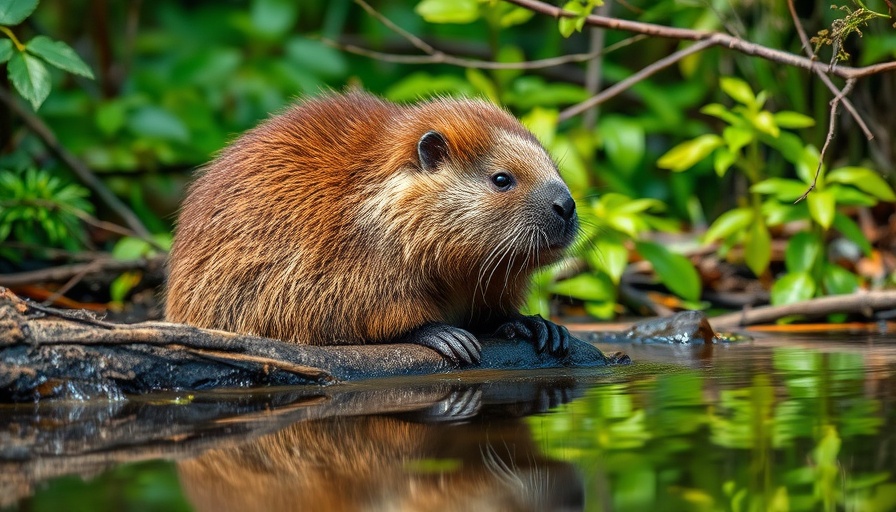
Beaver by water's edge in lush greenery in the Netherlands

Beaver Comeback: A Double-Edged Sword for the Netherlands

The return of the beaver to the Netherlands is seen as an ecological triumph after the species faced extinction in the early 19th century. Reintroduced in 1988, the beaver population has surged to an estimated 7,000, thriving in various environments. Unlike in England, where the numbers linger at around 500, the Dutch beaver population has established itself impressively across the country; however, this environmental success comes with significant drawbacks.

Nature’s Builders Fostering Challenges

Beavers are renowned for their building and engineering skills, creating habitats that benefit many other species. Unfortunately, in the Netherlands, these skills have led to serious infrastructural concerns. Beavers are burrowing into essential infrastructures like roads, railways, and critical dykes. In a nation where approximately a quarter of the land resides below sea level, this poses a serious risk for flooding and public safety. "We've found tunnels stretching up to 17 metres into a dyke. Wide enough for a grown man to fit in. That's alarming," states Jelmer Krom from Rivierenland water board.

The Flood Risk Quandary

The problem arises particularly during flood conditions when the beavers instinctively dig their burrows to higher ground, endangering the integrity of the dykes. "When the water is really high, I’m lying in bed at night with my fingers crossed, praying the beavers aren’t wreaking havoc somewhere," shares Cindy de Jonge-Stegink, a beaver consultant. In areas where dykes are often less than 15 metres wide, the risk of tunnel collapses leading to flooding is a legitimate fear for many in the community.

Managing a Protected Species

What complicates these challenges further is the protected status of beavers in the Netherlands. The law restricts any drastic measures against them, allowing intervention only in severe situations. Even relocating problematic beavers proves futile, as they tend to return. Consequently, authorities have turned to alternative solutions, such as reinforcing riverbanks, employing meshes to deter burrowing, and regularly sealing burrows. Krom notes, "Five years ago, we had to dig out a burrow about 15 times a year. That's now escalated to 40 or 50 times a year, which is costly." The rapid rise in beaver numbers has thus significantly increased the burden on local governments.

Economic and Ecological Dilemmas

In the hilly province of Limburg, beavers cause different issues, mainly flooding agricultural areas after building dams in brook valleys. While not as catastrophic as a dyke failure, these incidents still affect the livelihoods of farmers, disrupting their daily routines and threatening their crops. Farmers have been left grappling with the dilemma of coexistence; many are experiencing the unfortunate side effects of beaver populations encroaching into their tractors and fields.

The Human Side of Beaver Encounters

Interestingly, amidst these challenges, there’s a heartwarming side to beaver encounters in the Netherlands. Families have started to embrace their beavers, with some mothers bringing children to see them at night. "I know mothers who take their children to say goodnight to the beavers before bedtime. That makes my green heart leap," shares de Jonge-Stegink. These beautiful yet complex creatures symbolize nature’s resilience; however, it's crucial for communities to balance their admiration for these animals with the practical ramifications of their return.

A Call to Embrace Sustainable Solutions

Recognizing the dual nature of the beaver's return is essential. It reminds local communities of the need for innovative, sustainable solutions for managing wildlife interactions with human infrastructures. As both nature lovers and pragmatic inhabitants of a land below sea level, residents must forge strategies that celebrate the magnificence of these creatures while ensuring the safety of their environment.

As our relationship with nature evolves, so too must our approaches to wildlife management. By embracing discussions surrounding these ecological miracles, we pave the way for solutions that could very well benefit everyone. Keep the conversation going in your community; it’s time to think about how we can nurture the coexistence of nature and humanity.

Wildlife Wonders

50 Views

0 Comments

Write A Comment

*
*
Please complete the captcha to submit your comment.
Related Posts All Posts
04.20.2026

Unveiling Nature's Wonders: The Weirdest Rats with Unique Features

Update Discovering the World's Most Fascinating Rodents The world of rats may seem mundane to many, but there are astonishing species out there that defy our assumptions. From the coconut-crashing Vangunu giant rat, capable of demolishing hard-shelled fruits with razor-sharp teeth, to the naked mole-rat with its uncanny knack for survival, this article presents a peek into the lives of the most extraordinary rodents. Meet the Mighty Vangunu Giant Rat Nestled in the Solomon Islands, the Vangunu giant rat (Uromys vika) shines bright in the realm of peculiar rodents. Discovered only recently in 2023, this rat is over twice the size of typical city dwellers and wields impressive tools for survival: its incredibly sharp teeth. These teeth allow it to crack open coconuts, showcasing an unexpected remarkable adaptation in the rodent family. Their elusiveness adds a layer of intrigue as they tend to avoid human interactions, making research a challenge. The Gambian Pouched Rat: A Culinary Marvel Weighing in as one of the largest rats on the planet, the Gambian pouched rat is a true culinary marvel. With a body size of 43 cm and a total length reaching up to 88 cm, this African native captures attention with every encounter. Not just a hefty figure, these rats are known for their remarkable smell and taste capabilities, which some experts believe may aid in finding and locating landmines, making them valuable helpers in specific humanitarian contexts. The Naked Mole-Rat: A Colony Living Wonder Possibly one of the most unusual rodents, the naked mole-rat (Heterocephalus glaber) takes social behavior to another level. Living cooperatively in vast underground colonies, these creatures are ruled by a single queen, much like a beehive. Not only can they live up to 30 years, but they also display an impressive resistance to cancer and diseases, making them a source of fascination for scientists exploring longevity. Learning from Nature’s Oddities The naked mole-rat's social structure and intricate communication system reveal a deeper understanding of social dynamics within species. Their unique dialects provide intriguing insight into how language and community interact in the animal kingdom, showing a complexity often overlooked in such small creatures. Much like human societies, naked mole-rats depend on cooperation, loyalty, and identification of community members through their unique calls, a fascinating parallel to our own experiences. Conclusion: Shifts in Perception As we peel back the layers of the lives of these extraordinary rodents, we develop a better appreciation for their roles in our ecosystems and their contributions to our understanding of survival. With research and conservation efforts, we can help protect these captivating species while learning vital lessons about the resilience and adaptability of life. Help protect wildlife by supporting conservation efforts. Consider making a donation today!

04.19.2026

Unveiling the Secrets of Great Hammerhead Sharks' Adaptability and Future

Update The Remarkable Resilience of Great Hammerhead Sharks When we think of apex predators, the great hammerhead shark (Sphyrna mokarran) should come to mind. New research conducted by researchers off the coasts of Florida and the Bahamas emphasizes their unique ability to adapt and thrive in fluctuating ocean temperatures. This important study demonstrates that these magnificent creatures possess an extraordinary capability to maintain peak hunting performance amid varying thermal conditions. Adapting to Ocean Change: The Science Behind Thermal Performance According to findings published in the Journal of Experimental Biology, great hammerhead sharks can hunt effectively across a broad range of temperatures, performing best at approximately 29.3°C (84.7°F). Researchers utilized state-of-the-art biologging technology to monitor the movement, depth, and water temperature of nine hammerheads. This data allowed scientists to construct a thermal performance curve specifically for these sharks, illustrating how their hunting capability shifts with temperature changes. Unlike many marine species that exhibit a sharp decline in performance when temperatures fluctuate, great hammerheads experience only a slight reduction, making them exceptional survivors in changing climates. Historical Trends in Shark Populations: A Warning for the Future However, this resilience does not come without challenges. Great hammerheads have seen drastic population declines over the past few decades due to overfishing and habitat loss. As they navigate their increasingly warming waters, their shifting range towards temperatures that enhance their performance could lead them into areas with intense fishing pressure, posing a significant threat to their survival. The Interconnectedness of Climate and Conservation This study highlights not just the adaptability of great hammerheads but also the urgent need for conservation efforts. The International Union for Conservation of Nature (IUCN) lists them as critically endangered. This status is largely due to their susceptibility to fishing practices that target them for their large fins. With nearly 60 individual great hammerheads cataloged around the Bimini Islands, conservation initiatives are imperative to monitor and protect these fascinating sharks amidst a shifting climate. The Ripple Effect of Shark Populations on Ecosystems Sharks play a crucial role in marine ecosystems as apex predators, regulating the populations of other species and maintaining the health of coral reefs. Declines in their populations can trigger cascading effects throughout the marine environment. Therefore, understanding and safeguarding the future of the great hammerhead shark is not simply an issue of ensuring their survival; it is about protecting the health of our oceans as well. Take Action: Supporting Shark Conservation The importance of grassroots efforts cannot be understated when it comes to wildlife conservation. You can make a difference with as little as a $5 monthly donation to organizations focused on protecting marine life. By contributing, you support vital research and initiatives aimed at ensuring that great hammerhead sharks continue to thrive in their natural habitats. Final Thoughts As we learn more about the remarkable adaptations of great hammerhead sharks, we must also consider our role in their conservation. These magnificent creatures serve as an indicator of ocean health, reminding us of the interconnected nature of ecosystems and our responsibility in their stewardship.

04.17.2026

Discover the Elusive Resplendent Quetzal: A Birding Adventure Awaits

Update The Allure of the Elusive Resplendent Quetzal Deep in the vibrant jungles of Guatemala lies the Resplendent Quetzal, a bird so stunningly beautiful that it feels like a piece of living art. With its iridescent green head, spiky crest, striking blood-red breast, and the flamboyant twin tail plumes stretching long behind it, this bird resembles nothing less than a carnival dancer amid the lush scenery. For those seeking the rare opportunity to witness this avian marvel in the wild, the journey promises an adventure filled with admiration and respect for both nature and cultural heritage. Cultural Significance and Historical Roots The quetzal is much more than just a vibrant feathered creature. Revered in both ancient Mayan and Aztec cultures, it holds a unique place in the heritage of Central America. Named after the revered serpent god Quetzalcoatl, the bird was seen as a symbol of freedom and wealth. The ancient Maya adorned themselves with quetzal feathers, utilizing it as both a status symbol and a means of spiritual connection. Scholars suggest that during the height of Mesoamerican civilizations, quetzal feathers were so sought after that they were used as currency and tribute, indicating a deep-rooted respect for this magnificent species. Where to Find the Quetzal: A True Adventure To encounter the Resplendent Quetzal in its natural habitat, adventurers must be willing to rise before dawn and trek through the extensive cloud forests of Guatemala. The bird prefers these elevated, remote regions, where it can thrive in solitude. Nature enthusiasts often visit protected areas like the Mirador Rey Tepepul Preserve, nestled among the beautiful Volcán de Atitlán, to catch a glimpse of this enigmatic creature. Yet, even with preparation and patience, spotting a quetzal remains a true challenge, requiring a mix of luck and keen birdwatching skills. The Role of Ecotourism in Conservation As the popularity of birdwatching continues to rise, the call for ecological preservation becomes ever more critical. Deforestation and habitat loss pose major dangers to the Resplendent Quetzal, with their numbers precariously sitting under 50,000. Fortunately, ecotourism has emerged as a viable way to support conservation efforts. Engaging in birdwatching and participating in guided tours not only feeds one's spirit of adventure but also contributes to the protection of these beautiful forests that house the quetzals. Why You Should Experience the Quetzal Witnessing the Resplendent Quetzal in the wild is more than just a visual experience; it’s a deeply emotional one. The encounter evokes feelings of wonder and appreciation for biodiversity and the importance of conservation. As these magnificent birds continue to be celebrated in everything from local crafts to national currency, understanding their ecological role and cultural significance becomes profoundly important. It’s an opportunity to connect with both nature and the rich history of Guatemala. Join the Adventure Are you ready to embark on a quest to see the national bird of Guatemala? Whether you consider yourself an avid birdwatcher or simply someone who appreciates the beauty of nature, chasing after the quetzal promises to be a journey of a lifetime. Discover the vibrant culture, the breathtaking landscapes, and the pinch of marvel as you stand beneath the canopy, hoping for that unforgettable sighting.

Terms of Service

Privacy Policy

Core Modal Title

Sorry, no results found

You Might Find These Articles Interesting

T
Please Check Your Email
We Will Be Following Up Shortly
*
*
*