

Add Row
Add Element
update
High Desert Thrive News
update
Add Element
  • Home
  • Categories
    • Local News
    • High Desert Lifestyle
    • Home Services
    • Restaurants
    • Adventure Trails
    • Wildlife Wonders
    • Climate Insights
    • Health
  • Featured
August 27.2025
2 Minutes Read

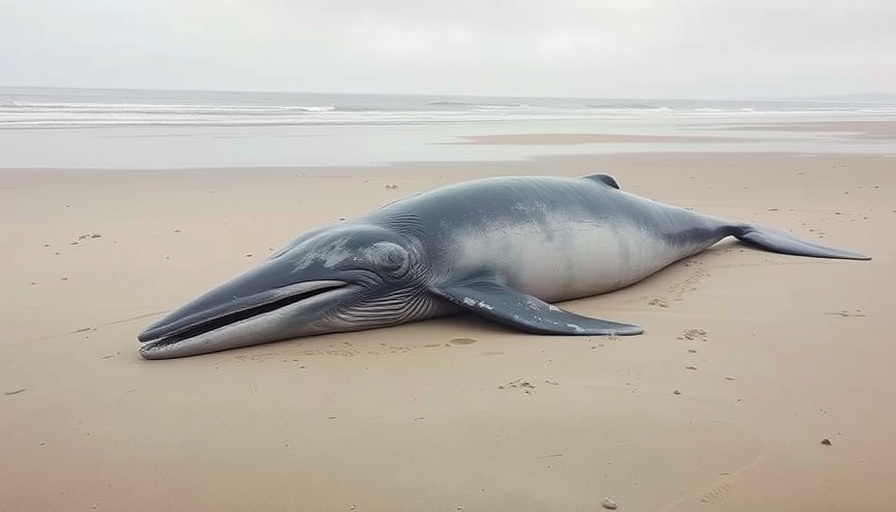
Scotland's Whale Strandings Triple: What Wildlife Lovers Must Know

Stranded whale on a Scottish beach illustrating whale strandings Scotland.

Whale Strandings: A Warning Sign for Our Oceans

In recent years, a concerning trend has emerged in Scotland's waters: whale strandings have more than tripled, raising alarm bells for wildlife enthusiasts and environmentalists alike. From approximately 100 strandings each year in 1992 to over 300 in 2022, the increase is alarming and indicates that something is deeply troubling in our oceans.

The Role of Human Activity

Scientists have identified pollution and industrial noise as significant contributors. Companies operating in these waters use seismic airguns to locate underwater resources, which creates loud noises that can confuse and displace marine mammals like baleen whales and common dolphins, pushing them into shallow waters where strandings often occur. Andrew Brownlow, who heads the Scottish Marine Animal Stranding Scheme, emphasizes that whales serve as sentinels of our oceans; their increasing strandings may herald broader environmental changes.

The Impacts of Climate Change and Habitat Loss

Beyond noise pollution, there are other threats. The decline in fish stocks drastically affects these majestic creatures, rendering them more vulnerable to fishing gear entanglements and collision with boats. Additionally, ocean warming is pushing some whale species to venture further into Scottish waters, increasing the likelihood of strandings. This multifaceted crisis highlights the delicate balance of marine ecosystems and our role in protecting them.

A Call to Action

As startling news spreads about the state of these beautiful giants, it's critical for all of us—especially those of us residing in regions like the high desert—to connect with and support wildlife conservation efforts. Raising awareness and advocating for protective measures is essential.

Community Engagement: Learning from Each Other

In the high desert, where wildlife stories resonate, understanding the challenges faced by marine life brings us closer to our own environment. Local initiatives that foster a sense of community spirit often inspire people to take action for wider ecological issues, even impacting those far removed from our immediate surroundings. By participating in community-driven efforts, you contribute to a larger movement aimed at restoring balance.

Future Predictions: The Road Ahead

The concerning trend of increasing whale strandings invites a discussion about our future. If current practices continue unchecked, we may witness even more detrimental effects. However, with the rise of offshore renewable energy sources, like wind farms, there is potential for a more harmonious relationship between human activity and marine life, provided we implement strategies to minimize noise pollution and habitat disruption.

Educated decisions taken now can have a lasting positive impact on not just Scotland’s whales but also the global marine ecosystem. Let’s choose to be part of this critical change.

Wildlife Wonders

34 Views

0 Comments

Write A Comment

*
*
Please complete the captcha to submit your comment.
Related Posts All Posts
04.21.2026

How Drones Are Revolutionizing Dugong Conservation Efforts

Update Monitoring Dugongs with the Help of Drones In the vast underwater grasslands, a gentle giant called the dugong is making headlines as conservationists leverage technology to keep these majestic creatures safe. Often referred to as sea cows, dugongs play a vital role in maintaining healthy seagrass ecosystems that act as crucial carbon sinks, helping to combat climate change. Recent advancements in drone technology are proving to be game changers in tracking dugong populations and understanding their feeding habits. The Importance of Drones in Conservation Drones, or unmanned aerial vehicles (UAVs), are enhancing traditional wildlife monitoring techniques. As noted by Professor Helene Marsh from James Cook University, these devices offer a more effective means of surveying dugongs without disturbing their natural habitat. Unlike conventional aircraft, drones can fly low and navigate tight spaces, providing detailed, real-time data on dugong movements and group sizes. For instance, recent drone surveys have documented herds of up to 1,200 dugongs in the Persian Gulf, offering crucial insights into habitats that were previously unverified. Moreover, drones equipped with AI algorithms further enhance this research by processing vast amounts of image data to ensure more accurate population estimates. New Findings and Future Directions Encouragingly, the CMS report highlights the need for innovative conservation approaches as dugong populations face significant threats ranging from habitat loss to fishing practices. While Australia remains a stronghold for dugongs with an estimated 166,000 individuals, many communities have witnessed a decline. Drone technology not only aids in counting dugongs but also identifies unique populations in regions like Indonesia and Madagascar, paving the way for tailored conservation efforts. Engaging Local Communities The role of local communities cannot be underestimated in these conservation efforts. Engaging individuals who live in the areas where dugongs thrive is essential for fostering environmental stewardship. Initiatives that involve local stakeholders can educate them about the importance of dugogs in our oceans. After all, the survival of dugongs involves addressing human pressures and promoting informed action. Why This Research Matters Understanding dugongs' migration and feeding patterns not only aids in their conservation but also highlights the significance of seagrass meadows to broader marine health. As communities worldwide become increasingly aware of ecological interdependencies, the role of technology in wildlife conservation will undoubtedly continue to expand, inspiring hope for this remarkable species. So, next time you think about conservation, remember that an inspiring story is unfolding in our oceans—with drones serving as allies in a crucial fight against the decline of dugong populations. Let's support efforts that highlight and protect these gentle sea cows for generations to come.

04.20.2026

Unveiling Nature's Wonders: The Weirdest Rats with Unique Features

Update Discovering the World's Most Fascinating Rodents The world of rats may seem mundane to many, but there are astonishing species out there that defy our assumptions. From the coconut-crashing Vangunu giant rat, capable of demolishing hard-shelled fruits with razor-sharp teeth, to the naked mole-rat with its uncanny knack for survival, this article presents a peek into the lives of the most extraordinary rodents. Meet the Mighty Vangunu Giant Rat Nestled in the Solomon Islands, the Vangunu giant rat (Uromys vika) shines bright in the realm of peculiar rodents. Discovered only recently in 2023, this rat is over twice the size of typical city dwellers and wields impressive tools for survival: its incredibly sharp teeth. These teeth allow it to crack open coconuts, showcasing an unexpected remarkable adaptation in the rodent family. Their elusiveness adds a layer of intrigue as they tend to avoid human interactions, making research a challenge. The Gambian Pouched Rat: A Culinary Marvel Weighing in as one of the largest rats on the planet, the Gambian pouched rat is a true culinary marvel. With a body size of 43 cm and a total length reaching up to 88 cm, this African native captures attention with every encounter. Not just a hefty figure, these rats are known for their remarkable smell and taste capabilities, which some experts believe may aid in finding and locating landmines, making them valuable helpers in specific humanitarian contexts. The Naked Mole-Rat: A Colony Living Wonder Possibly one of the most unusual rodents, the naked mole-rat (Heterocephalus glaber) takes social behavior to another level. Living cooperatively in vast underground colonies, these creatures are ruled by a single queen, much like a beehive. Not only can they live up to 30 years, but they also display an impressive resistance to cancer and diseases, making them a source of fascination for scientists exploring longevity. Learning from Nature’s Oddities The naked mole-rat's social structure and intricate communication system reveal a deeper understanding of social dynamics within species. Their unique dialects provide intriguing insight into how language and community interact in the animal kingdom, showing a complexity often overlooked in such small creatures. Much like human societies, naked mole-rats depend on cooperation, loyalty, and identification of community members through their unique calls, a fascinating parallel to our own experiences. Conclusion: Shifts in Perception As we peel back the layers of the lives of these extraordinary rodents, we develop a better appreciation for their roles in our ecosystems and their contributions to our understanding of survival. With research and conservation efforts, we can help protect these captivating species while learning vital lessons about the resilience and adaptability of life. Help protect wildlife by supporting conservation efforts. Consider making a donation today!

04.19.2026

Unveiling the Secrets of Great Hammerhead Sharks' Adaptability and Future

Update The Remarkable Resilience of Great Hammerhead Sharks When we think of apex predators, the great hammerhead shark (Sphyrna mokarran) should come to mind. New research conducted by researchers off the coasts of Florida and the Bahamas emphasizes their unique ability to adapt and thrive in fluctuating ocean temperatures. This important study demonstrates that these magnificent creatures possess an extraordinary capability to maintain peak hunting performance amid varying thermal conditions. Adapting to Ocean Change: The Science Behind Thermal Performance According to findings published in the Journal of Experimental Biology, great hammerhead sharks can hunt effectively across a broad range of temperatures, performing best at approximately 29.3°C (84.7°F). Researchers utilized state-of-the-art biologging technology to monitor the movement, depth, and water temperature of nine hammerheads. This data allowed scientists to construct a thermal performance curve specifically for these sharks, illustrating how their hunting capability shifts with temperature changes. Unlike many marine species that exhibit a sharp decline in performance when temperatures fluctuate, great hammerheads experience only a slight reduction, making them exceptional survivors in changing climates. Historical Trends in Shark Populations: A Warning for the Future However, this resilience does not come without challenges. Great hammerheads have seen drastic population declines over the past few decades due to overfishing and habitat loss. As they navigate their increasingly warming waters, their shifting range towards temperatures that enhance their performance could lead them into areas with intense fishing pressure, posing a significant threat to their survival. The Interconnectedness of Climate and Conservation This study highlights not just the adaptability of great hammerheads but also the urgent need for conservation efforts. The International Union for Conservation of Nature (IUCN) lists them as critically endangered. This status is largely due to their susceptibility to fishing practices that target them for their large fins. With nearly 60 individual great hammerheads cataloged around the Bimini Islands, conservation initiatives are imperative to monitor and protect these fascinating sharks amidst a shifting climate. The Ripple Effect of Shark Populations on Ecosystems Sharks play a crucial role in marine ecosystems as apex predators, regulating the populations of other species and maintaining the health of coral reefs. Declines in their populations can trigger cascading effects throughout the marine environment. Therefore, understanding and safeguarding the future of the great hammerhead shark is not simply an issue of ensuring their survival; it is about protecting the health of our oceans as well. Take Action: Supporting Shark Conservation The importance of grassroots efforts cannot be understated when it comes to wildlife conservation. You can make a difference with as little as a $5 monthly donation to organizations focused on protecting marine life. By contributing, you support vital research and initiatives aimed at ensuring that great hammerhead sharks continue to thrive in their natural habitats. Final Thoughts As we learn more about the remarkable adaptations of great hammerhead sharks, we must also consider our role in their conservation. These magnificent creatures serve as an indicator of ocean health, reminding us of the interconnected nature of ecosystems and our responsibility in their stewardship.

Terms of Service

Privacy Policy

Core Modal Title

Sorry, no results found

You Might Find These Articles Interesting

T
Please Check Your Email
We Will Be Following Up Shortly
*
*
*