

Add Row
Add Element
update
High Desert Thrive News
update
Add Element
  • Home
  • Categories
    • Local News
    • High Desert Lifestyle
    • Home Services
    • Restaurants
    • Adventure Trails
    • Wildlife Wonders
    • Climate Insights
    • Health
  • Featured
August 20.2025
3 Minutes Read

In Urban India, Coexisting with Leopards: The Need for Habitat Preservation

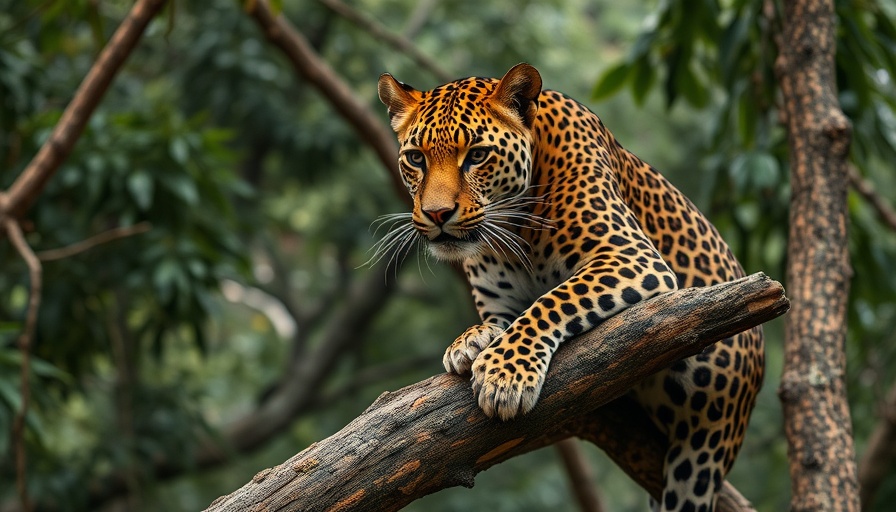
Leopard in Indian forest exemplifying urban wildlife preservation in India.

The Dance Between Humans and Leopards in India

In the outskirts of Bengaluru, the dance between humans and one of nature's most elusive predators, the leopard, is unfolding under an increasingly urban sky. Suresh Raj, a 73-year-old gunsmith, stands as a testament to this shared territory. Living within the confines of Bannerghatta Biological Park, he recounts the realities of cohabiting with leopards. Over the past several months, three of his beloved dogs have fallen prey to these magnificent creatures, a fact he accepts without animosity. “It’s very normal for leopards to take our dogs — not something I’d resent, living in the forest,” he shares, highlighting a complex coexistence between wildlife and urban development.

Understanding the Urban Wildlife Crisis

Bengaluru, a metropolis bustling with over 14 million residents, has become a surprising refuge for leopards. With an estimated population of 80-85 leopards, it outpaces Mumbai, historically thought to have the highest leopard density in the world. This urban jungle offers fragmented habitats peppered with suburban developments, a precarious mix that raises alarm for wildlife conservationists and local residents alike.

Faced with rapid urbanization, wildlife is squeezed into dwindling natural habitats. India's leopards, classified as vulnerable by the IUCN, have not only adapted to this environment but continue to thrive amid human encroachment. Understanding this urban wildlife crisis is essential as these apex predators navigate their struggle for survival while sharing space with humans who often fear their presence.

Building Bridges, Not Walls

As people like Suresh adjust to the realities of having leopards as neighbors, a cultural shift is crucial. Many locals express mixed feelings about leopards. While some feel fear and uncertainty — avoiding outdoor activities at night — others, like a resident of Sobha Forest View, advocate for a more balanced view. “It’s not that bad or scary. They’re on their territory,” she insists, underscoring that not all residents see leopards as a threat but rather as a natural part of their shared habitat.

This dialogue is vital in fostering a harmonious environment. Bridging the gap between wildlife and urban life can lead to safer communities where both humans and leopards can exist without conflict. Education about social tolerance towards these big cats could mitigate fears and raise awareness of the necessity of preserving their habitats.

Preserving Leopard Habitats: An Urgent Call

As Bengaluru becomes increasingly crowded, preserving leopard habitats has never been more urgent. The encroachment into natural spaces threatens not only the leopards but other endangered species coupled within these ecosystems — tigers, elephants, and dholes are in peril as habitats shrink. Protecting these regions is not just about wildlife; it’s about ensuring a balanced ecosystem that enriches the human experience as well.

Efforts from organizations like the Holématthi Nature Foundation underline the necessity for conservation initiatives. Legal protections for leopards, as categorized under Schedule I of the Wild Life (Protection) Act, 1972, offer a framework for these initiatives but require active community involvement and support to thrive.

How Residents Can Make a Difference

Residents can play a crucial role in conservation efforts by advocating for better habitat preservation policies and participating in community dialogue. Simple actions, such as promoting wildlife-friendly practices and spreading awareness, can create significant change. Supporting local wildlife initiatives or participating in habitat restoration projects can foster stronger connections between neighbors caring for both their community and its wildlife.

Empowering Our Wildlife Culture

In a world rapidly dominated by urban life, recognizing and supporting the wildlife culture surrounding us is critical for future generations. By understanding the inherent values of wildlife, such as leopards, and respecting their roles in our ecosystems, we can ensure that future communities will thrive alongside these majestic predators. Besides, who wouldn’t want a magnificent leopard as a neighbor if it means fostering a richer, more connected living environment?

Adopting an attitude of coexistence over conflict might enable everyone — humans and leopards alike — to navigate this ever-evolving landscape together.

Wildlife Wonders

36 Views

0 Comments

Write A Comment

*
*
Related Posts All Posts
02.21.2026

Saving Monarch Butterflies: How Local Communities Can Make a Difference

Update The Monarch Butterfly's Plight: A Call for Community ActionThe majestic monarch butterfly, an iconic species known for its incredible migratory journey, is facing a daunting crisis. Populations have plummeted by 80% to 95% since the 1990s due to habitat loss primarily driven by deforestation in central Mexico. This integral winter habitat is vital for their survival as these butterflies depend on specific environmental conditions to thrive during the colder months. If we wish to help these beautiful creatures, we must consider the human factors at play in their conservation.Why Community Engagement MattersA recent study published in Environmental Conservation emphasizes the importance of community involvement in conservation efforts. The Monarch Butterfly Biosphere Reserve, established to protect crucial habitats, has seen mixed outcomes due to various socio-economic factors affecting local communities. Researchers found that conservation success largely hinges on engaging local residents—known as ejidatarios—who traditionally manage the land. Without their buy-in and cooperation, efforts to safeguard the environment often falter.Understanding the Connection between Monarchs and LocalsIn this region, the oyamel fir trees not only provide necessary shelter for the butterflies but also support the livelihoods of local inhabitants. Historically, these residents relied on forestry to make a living, and despite conservation laws aimed at protecting the forest, some chose to log trees to gain immediate financial benefits before restrictions were imposed. This highlights the delicate balance between community survival and the need to conserve the monarch’s winter habitat.Consequences of Habitat DegradationDespite the protective measures put in place, illegal logging has led to the loss of approximately 43% of the fir forest within the Reserve over the last 50 years. Interestingly, the most significant decline occurred post-declarations of conservation, suggesting that financial pressures often outweigh the benefits of long-term environmental protection. This insight stresses a troubling reality: even well-intentioned policies can lead to adverse outcomes.Future Directions: Building Sustainable SolutionsMoving forward, it is crucial for conservationists to not only implement protection strategies but also build sustainable alternatives for the local communities. This can involve promoting ecotourism, reforestation projects, or exploring different income sources that lessen reliance on logging. Collaboration between scientists, policy-makers, and local residents can create a robust framework supporting both the monarchs and the people who live alongside them.The Role of Individuals in ConservationFor those living in areas affected by these conservation efforts, understanding the plight of the monarch butterfly can inspire action. Community members can engage in initiatives that promote habitat preservation and help educate others about the importance of biodiversity. From creating butterfly gardens to supporting local conservation causes, every small act can contribute to the larger mosaic needed to protect this species.A Call to Action: Protect Our PollinatorsIn light of this urgent situation, it’s imperative for individuals and communities to rally for the protection of the monarch butterfly. By advocating for sustainable practices, promoting awareness, and participating in conservation actions, we can collectively ensure that these magnificent butterflies continue their enchanting migrations for generations to come.

02.19.2026

Countries Unite to Protect Endangered African Hornbills from Exploitative Trade

Update New Protections for African Hornbills: A Global CommitmentCountries around the world are uniting to safeguard African hornbills, a vital species whose existence is increasingly threatened by unregulated international trade. During a recent meeting of the Convention on International Trade in Endangered Species (CITES) held in Uzbekistan, an overwhelming agreement was reached to list seven species of African hornbill under CITES Appendix II. This impactful decision aims to regulate the trade of these magnificent birds, addressing the alarming rise in poaching and illegal sales fueled by global demand.The Role of Hornbills in EcosystemsAfrican hornbills play a crucial role in their ecosystems, particularly in seed dispersal, which is essential for maintaining forest health. Sadly, recent findings have shown a stark increase in the hunting and trading of these birds. A study highlighted by Yale Environment 360 indicates that demand for hornbill parts—ranging from skulls and beaks to stuffed birds—has escalated, prompting conservationists to call for regulatory measures to ensure their survival. The vote to offer protection comes as a vital step in addressing these concerns.Global Response: Unity in ConservationWhat is particularly commendable about this new move is the unanimous support it received. All countries where hornbills naturally occur, along with the U.S. and EU, voted in favor of the CITES proposal, demonstrating a collective responsibility towards conserving these birds. As Chris R. Shepherd from the Center for Biological Diversity points out, “Without international regulations and controls, there are simply no mechanisms to confront the organized criminal networks driving this crisis.” This call for unity reflects the growing recognition of wildlife conservation as a global challenge.Impact on Related SpeciesBeyond saving African hornbills, the new regulations are also expected to bolster protections for Asian hornbill species, which share similarities in appearance. Enforcement has previously posed challenges due to this overlap, but increased global attention may lead to more effective conservation efforts across both continents. Conservationists believe that these measures signal a broader commitment to protecting not only hornbills but also the rich biodiversity of their habitats.The Path ForwardAs we look to the future, it's imperative that both governmental and non-governmental efforts continue to promote awareness about the pressures faced by these birds. The recent agreement at CITES is hopeful, but lasting change requires ongoing activism and education. Local communities in Africa, as well as international audiences, must remain engaged in discussions about wildlife conservation.Get Involved and Advocate for WildlifeThe importance of grassroot movements cannot be overstated. Whether it’s participating in local conservation efforts or spreading the word about wildlife protection, every action counts towards fostering a sustainable environment for future generations. As a resident of the high desert, you have a unique opportunity to advocate for wildlife, drawing connections to global ecosystems from your own doorstep.

02.18.2026

How Taronga Zoo’s Rewilding Project is Reshaping Australia's Wildlife Future

Update Taronga Zoo's Visionary Rewilding Project In an inspiring move to restore Australia's native wildlife, Taronga Zoo is embarking on an ambitious rewilding project, targeting a vast 3,050-acre tract of farmland in the Nandewar Range of New South Wales. With a vision to enhance biodiversity, the zoo aims to establish a vibrant ecosystem that will support crucial species like koalas, platypus, and the endangered regent honeyeater. Why Rewilding Matters The significance of this initiative cannot be overstated, especially in the face of Australia's biodiversity crisis. The Taronga Zoo Conservation Society (TZCS) has already demonstrated impressive conservation success, having bred and released over 60,000 animals through various programs. This new project, known as Habitat Positive, seeks to go beyond mere protective measures, addressing habitat loss and climate resilience through active restoration efforts. Creating a Corridor of Life The rewilding effort involves planting approximately one million seedlings of Box-Gum trees, which will serve as crucial corridors connecting existing wildlife habitats. Such tree cover is vital for creating sustainable ecosystems, allowing various species to thrive. CEO Cameron Kerr emphasized the importance of establishing a self-sustaining habitat, stating, "As the ecosystem matures, pest management and weed control will become less intensive." This holistic approach aims to create a balance where nature can reclaim its territory efficiently over time. Challenges Ahead: Pests and Weeds The journey won't be without its hurdles. The project territory is home to invasive species such as foxes and pigs that threaten local wildlife. A comprehensive pest control strategy will be crucial. Kerr noted, "While we cannot fence the area, we will closely monitor invasive species and manage them effectively to safeguard the rewilding effort." This unique approach blends human intervention and natural processes, allowing wildlife to exist in a relatively uncontrolled environment. Monitoring Success and Future Implications As this initiative unfolds, researchers will closely observe how quickly species repopulate the area. Some populations may flourish within a few years, while others could take up to a decade to adapt to their former habitats. This gradual transition reflects a commitment to understanding the complex dynamics of wildlife restoration. Kerr's perspective encapsulates this challenge: "We cannot rely solely on existing forest landscapes; we must actively restore and rejuvenate habitats to prevent further decline in native species." Conclusion: Take Action For Wildlife The ambitious rewilding project led by Taronga Zoo stands as a beacon of hope for Australia's wildlife. By investing in this project, we can support meaningful conservation efforts aimed at preserving our planet's rich biodiversity. Each one of us can contribute, whether through spreading awareness, volunteering, or supporting conservation organizations like Taronga Zoo. Together, we can make a difference for future generations and protect the unique species that call Australia home.

Terms of Service

Privacy Policy

Core Modal Title

Sorry, no results found

You Might Find These Articles Interesting

T
Please Check Your Email
We Will Be Following Up Shortly
*
*
*