

Add Row
Add Element
update
High Desert Thrive News
update
Add Element
  • Home
  • Categories
    • Local News
    • High Desert Lifestyle
    • Home Services
    • Restaurants
    • Adventure Trails
    • Wildlife Wonders
    • Climate Insights
    • Health
  • Featured
September 10.2025
2 Minutes Read

Bear Attack on Jogger in Alaska: A Wake-Up Call for Safety

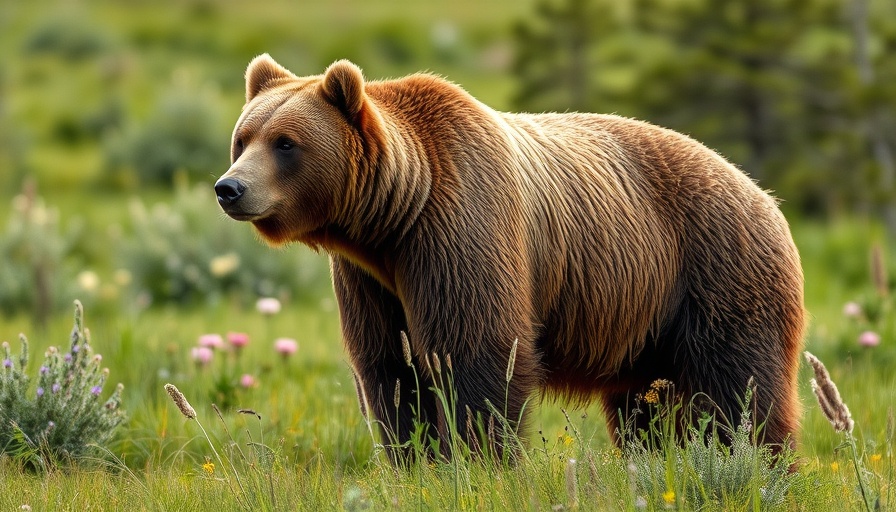
Brown bear standing alert in meadow showcasing bear attack safety.

A Shocking Flare-Up in Wildlife Interactions: A Cautionary Tale

The tranquil mornings of Kenai, Alaska, were shattered earlier this week when a woman was brutally attacked by a bear just outside her home. As she stepped out for her morning jog, little did she know that nature’s wild beauty could bring forth such danger. At approximately 5:45 a.m., the 36-year-old jogger was unexpectedly confronted by a brown bear which dragged her a harrowing 100 yards down the road before being discovered by a neighbor.

The Aftermath: Community Response to a Bear Attack

Emergency responders quickly evacuated the woman to a nearby hospital where she is being treated for serious injuries. The Alaska Department of Public Safety is yet to release details about her condition, but it’s a stark reminder of the dangers that can lurk in what many consider a serene environment. Following the attack, local authorities are urging residents to be vigilant, especially when children and pets are involved. It’s a reality check for many who live in close proximity to wildlife and may take for granted the risks inherent in such interactions.

Understanding Bear Behavior: What to Do in a Dangerous Situation

Despite the alarming nature of this incident, bear attacks remain infrequent in Alaska, a state often dubbed as "bear country." A report from 2019 indicates that during 2000 to 2017, there were only 10 fatalities due to bear attacks and 68 serious injuries. This incident calls for a deeper understanding of how to coexist with wildlife and prepare for unexpected encounters. Wildlife officials recommend keeping a safe distance if you spot a bear and never approaching it. To mitigate dangerous encounters, residents are encouraged to secure any items that may attract bears—such as trash and pet food—and always remain alert when engaging in outdoor activities.

Lessons From the Wild: The Balance Between Nature and Safety

While bears roam freely in Alaska’s vast wilderness, the unfortunate reality is that as humans expand their territory by building homes nearer to wildlife habitats, interactions inevitably increase. This incident serves as a resonant reminder: safety protocols must be taken seriously to protect both individuals and the wildlife around them. Understanding local wildlife and making necessary adjustments in daily routines can help enhance safety for all involved.

Final Thoughts: Strengthening Community Bonds

The bear attack in Kenai has left a mark on the local community and serves as a reminder of the need for increased awareness concerning our wild neighbors. We can help foster a safer living environment by educating ourselves and sharing knowledge about wildlife behavior. It's crucial to support and protect both our community and the nature surrounding it.

For the residents of Kenai and beyond, this shocking event should encourage proactive measures to enhance safety and coexistence with Alaska's majestic wildlife. Let's take tangible steps toward a safer and more informed community.

Wildlife Wonders

2 Views

0 Comments

Write A Comment

*
*
Related Posts All Posts
12.22.2025

Nassau Grouper Spawning Site in Belize Faces Collapse: What Can Be Done?

Update A Closer Look at the Nassau Grouper's DeclineIn the crystal-clear waters of Belize, a silent tragedy unfolds—a tragedy that could reverberate across the Caribbean. The Nassau grouper, once a thriving emblem of marine life, is now facing a serious risk of extinction. Spawning almost exclusively in the winter months, these fish have long been known for their unique reproductive rituals. Yet, recent studies reveal that the renowned aggregation at Northeast Point, a site once buzzing with the activity of thousands of these fascinating fish, has plummeted to alarming levels—down by 97% since 1975. The report underscores how decades of overfishing, compounded by minimal enforcement of protective regulations, have brought the Nassau grouper to the brink.The Historical Significance of Nassau GrouperHistorically, Nassau grouper populations in Belize were robust; they dominated local fisheries, with records from the 1960s indicating annual catches exceeding 30,000 fish. Northeast Point was no exception, drawing around 15,000 fish in 1975. What has caused such dramatic decreases? Experts point to a variety of factors, especially overfishing during spawning seasons, when large numbers are easily captured. Such patterns disrupt the mating success of these fish and severely limit the chances of population recovery.The Role of Conservation EffortsDespite the grim statistics, there is a glimmer of hope. Following increasing awareness of the issues surrounding the Nassau grouper, the Belize Fisheries Department has enacted several protective measures. However, enforcement remains a challenge, particularly at more secluded sites where the groupers spawn. Conservationists argue there is still a critical need for robust on-ground efforts and community involvement to salvage this species from further decline.Engaging the Local CommunityThis is where grassroots initiatives come into play. Engaging local communities, especially those who rely on fishing for their livelihoods, is vital in driving sustainable practices that protect the Nassau grouper and its habitat. Educational programs that emphasize the ecological and economic benefits of conserving fish populations could inspire conservation actions. For example, building an understanding of how a thriving grouper population can contribute to healthier reef ecosystems and vibrant tourism, advocating for practices such as fishery reserves or limits on fishing during spawning periods.What Lies Ahead for the Nassau Grouper?Looking forward, if protective measures are implemented and local communities are engaged, there is hope for the Nassau grouper’s recovery. The success of these fish is an essential element of Belize’s marine environment, deeply intertwined with the culture and economy of coastal communities. Active participation in conservation can lead not only to the preservation of biodiversity in oceans but also to a sustainable way of life for local fishers.

12.21.2025

Will European Wildcats Roam England Again? Positive Steps in Reintroduction

Update European Wildcats Could Roam in England Again: An Exciting Possibility After a century-long absence, the dream of hearing the wildcall of the European wildcat (Felis silvestris) in the woodlands of south-west England may soon become a reality. Following a comprehensive two-year study, it has been determined that the lush landscapes of mid-Devon may be ready to welcome these elusive felines once again, and the local community is largely in favor of the initiative. Positive Community Sentiments Fueling Reintroduction Evidence from surveys conducted by the University of Exeter reveals a heartwarming trend: an overwhelming majority (71% to 83%) of residents are enthusiastic about the concept of reintroducing wildcats to their area. This local support is crucial, not only for ensuring a smooth integration of the species but also for fostering an environment where human and wildlife interaction can thrive harmoniously. A Historic Absence: What Led to Their Disappearance? European wildcats once roamed widely across the English countryside, even gracing the landscapes of the south-west. Sadly, due to centuries of habitat destruction and human persecution, these enigmatic creatures dwindled to almost extinction, with the last known sightings in England recorded in the mid-19th century. Today, their only remaining population resides in the Scottish Highlands, where interception from domestic cats threatens the species' future. Planning for a Sustainable Future: Key Findings from the South West Wildcat Project The South West Wildcat Project, spearheaded by the Devon Wildlife Trust, has meticulously examined the potential impact of reintroducing this critically endangered species. Their findings suggest that the intricately connected woodlands, grasslands, and scrubland ecosystems of the region could support a population of up to 50 wildcats. Moreover, researchers have clarified that wildcats, primarily hunters of small mammals like voles and rabbits, pose no significant threat to local wildlife or livestock, provided proper preventive measures are enacted. Local farmers needn’t worry, as aforementioned precautions for existing wildlife predators, like foxes, would suffice. Collaboration Is Key: Ensuring Success Through Community Engagement However, for this ambitious reintroduction to be successful, community engagement remains paramount. The study advocates the formation of partnerships between local stakeholders and cat welfare organizations to implement neutering programs for feral and domestic cat populations. This strategy aims to mitigate the risk of hybridization that has already affected wildcat populations in Scotland. Looking Ahead: A New Era for Wildlife in England As we stand on the brink of potentially witnessing a monumental change in England's wildlife landscape, one can't help but feel hopeful. The reintroduction of the European wildcat will not only restore a once-familiar sight to the region but also assist in rebalancing local ecosystems that have suffered due to the absence of these natural predators. Cath Jeffs from the Devon Wildlife Trust expresses excitement over this rejuvenation of the local wildlife landscape, stating, “With open dialogue, we can ensure both species and communities thrive together.” This sentiment is echoed by many in the communities eager to see these stunning creatures return. Take Action to Support Wildlife Initiatives As this project moves forward, it becomes vital for individuals in the high desert area and beyond to stay informed, engaged, and supportive of local wildlife initiatives. By fostering an understanding of wildlife dynamics and advocating responsible pet ownership, you contribute to a collaborative effort ensuring not just the wildcats' reestablishment but the overall health of our shared ecosystems.

12.19.2025

Understanding Alpha-gal Syndrome: Risks, Symptoms, and Importance of Awareness

Update A Tragic Case of Alpha-gal Syndrome In December 2025, a New Jersey family faced an unimaginable loss due to alpha-gal syndrome (AGS), a rare and potentially life-threatening allergy to mammalian meat developed after a tick bite. This condition arises when the Lone Star tick transfers a carbohydrate known as alpha-gal into a person's bloodstream, triggering severe allergic reactions after consuming red meat or dairy products. This case marked the first confirmed fatal incident linked to AGS, highlighting the urgent need for awareness and preventive measures. Understanding the Symptoms and Risks The late victim, a 47-year-old camper, began experiencing symptoms after a summer camping trip where he consumed steak. Initial abdominal pains subsided but two weeks later, after eating a hamburger, the reaction proved fatal. Experts emphasize that AGS can cause delayed anaphylactic responses, showcasing how critical it is to understand these symptoms. According to the CDC, symptoms like nausea, fatigue, skin rashes, and respiratory issues typically surface hours after consuming affected foods. Recognizing these signs early can mean the difference between life and death. The Growing Threat of Ticks With climate change causing warmer temperatures, the population of ticks like the Lone Star tick is expected to rise, expanding their habitat and the risk of tick-borne diseases like AGS. Many individuals in regions once unaffected are now at risk, making tick bite prevention more important than ever. In particular, outdoor enthusiasts should be conscious of tick exposure during activities such as hiking and camping. Physicians suggest using repellent, wearing protective clothing, and conducting thorough tick checks after outdoor activities to minimize risk. Community Awareness is Key As researchers estimate that nearly 450,000 people may be affected by AGS in the United States, raising awareness about the condition is crucial. Local initiatives can help inform the community about the dangers of ticks and alpha-gal syndrome, and how to prevent exposure. With concerted efforts, individuals can work together to educate each other, particularly in high tick-population areas. A Call for Dietary Reflection This tragic case serves as a powerful reminder of the interconnection between our health and the environment. As climate change drives more tick populations into contact with people, adopting a plant-based diet not only reduces individual health risks but also contributes to environmental sustainability. Simple dietary changes can lessen exposure to allergens while promoting a healthier planet and lifestyle. What Can You Do? While this case is rare and outcomes often favorable with awareness and preventive actions, the threat posed by AGS should not be underestimated. Consider sharing this article with friends and family to raise awareness of alpha-gal syndrome and the importance of understanding tick-borne health risks. Together, we can make informed choices that keep our communities safe. Let’s foster a conversation about allergies and eco-conscious eating, ensuring everyone is aware of the potential risks associated with our changing environment.

Terms of Service

Privacy Policy

Core Modal Title

Sorry, no results found

You Might Find These Articles Interesting

T
Please Check Your Email
We Will Be Following Up Shortly
*
*
*